I’ve never been to Germany before, even though it’s effectively on my doorstep. I had reason to when I attended the ITB Berlin Travel Conference, dubbed as the:
World’s Leading Travel Trade Show.
I only had about 4 days there, three of those actually at the trade event. But I allowed myself a mere one day to take an, albeit brief, look around the city and for this, I used the Berlin Welcome Card.
Disclosure: Thank you to Visit Berlin for providing me with a Berlin Welcome Card during my stay.
What is the Berlin Welcome Card?
Most cities have some sort of travel card for tourists, and Berlin is no exception. In short, it’s a card that has a variety of validity days and gives a:
Transport Ticket (unlimited depending on how many days you spend in the city)
Up to 200 discounted offers to tourist places around the city (ie: Berlin Zoo, Hop On-Hop Off Tour and Berlin Tower entrance)
A map of the city
The cards run as follows:
48hrs Berlin City Centre inc. TXL airport = €20 Berlin City Centre inc. SXF Airport = €23
72hrs As above = €29 As above = €32
4 days As above = €34 As above = €37
5 days As above = €38 As above = €42
6 days As above = €43 As above = €47
This is a basic idea. They all cover one adult and up to three children. More information can be found at the Berlin Welcome Card site.
How to enjoy a Short Trip to Berlin
Where can I pick up my Berlin Welcome Card?
I was emailed a voucher by the Tourism Office and when I reached TXL airport, found my way to their office at the airport (Terminal A, Gate 1) and exchanged the voucher for an actual ticket. Basically, you stamp the ticket the first time you use it and it puts the date and time on it, then that’s it! Wizz your way around Berlin unimpeded and don’t worry about buying tickets! (Just remember to keep it with you and don’t loose it). Here you can find out more information about Berlin Tourist Info Centres at the airport.
I was quite content on my one day to jump on the U-Bahn and S-Bahn train system to find my way around and sightsee.
Berlin East Side Gallery
As I am a huge fan of street art, I loved taking in this longest open air gallery in the world. It’s famous as being the old Berlin Wall (1.3km) and has murals painted from over 118 artists from 21 countries who started their project as soon as the wall came down. It opened in 1990 and in 1991 was given a protected status.
With my Berlin Welcome Card I travelled to Berlin Ostbahnhof and walked the short distance to the wall. It was a pretty chilly day and as the wall is outside (opposite a lovely park and river), I spent some time but not as long as I’d have liked. I can see I’ll have to go back!
Berlin Eastside Gallery and Berlin in general – LifeBeyondBorders
Berlin Television Tower
I didn’t have time to go here – the 368 metre symbol of Berlin city. It has the highest viewing platform in Europe open to the public – but I saw it from a distance from my stroll through the city centre. Nearest station: Alexanderplatz
And of course, bear in mind you get a discount with your Berlin Welcome Card.
One Day In Berlin
The rest of my time was spent at the ITB Conference. I can see I will have to come back to Berlin as a tourist this time to make the most of the Berlin Welcome Card and all the attractions the city has to offer.
The Shard in London is a 95 storey skyscraper on the south bank of the River Thames in the area of Southwark, right by London Bridge station. Here you can also find the popular tourist attraction, the London Dungeon, but my mission this time was to go to take in this new tourist attraction. The view from the Shard is one of the most famous modern tourist attractions in London, so much so, they have named the experience ‘The View’.
View from The Shard London – History
The Shard, at 309m (1,016ft), is Europe’s 4th tallest structure, the tallest in the E.U. and the 87th tallest in the world. It was designed by Italian architect Renzo Piano and was started in 2009, completed in March 2012. It replaced the 1970’s office block Southwark Towers – as you can see, although slightly more modern than usual office blocks of that era in design, they still weren’t particularly pleasing to the eye:
It opened to the public in 2013 and its glass pyramid structure contains 72 habitable floors including:
Shangri-La Hotel Reception on the Ground Floor (yep – would love to afford to stay there!)
Retail shop and Observation Deck entrance on floors 1 and 2
Office space on floors 3-28 (companies here include Al-Jazeera English & UK, Gallup, Warwick Business School and South Hook Gas)
Restaurants on floors 31-33
The Shangri-La Hotel on floors 34-52
Homes on floors 53-65
The View from The Shard (observation deck) on floors 68-72
The Glass Spire spreads up the remaining floors from 73-95
Seeing as I couldn’t quite afford the £10 to £50 million price tag for one of the ten residences in the Shard, I decided to book ahead and pay my £25.95 Adult ticket (advance price – you can book on the day and pay £30.95) and go and visit the Observation Deck – or the View from the Shard. Ticket prices do vary depending on whether you’re attending an event, or a night visit, etc.
The View from The Shard London
You’re asked to choose a time when you want to visit – it’s in half an hour slots meaning you can turn up within half an hour after your allotted time…but I arrived earlier than my 12:30pm slot, and was allowed into the lifts no problems.
The View from The Shard
Tip: 12:30pm mid-week seemed like a good time. No queues for the lifts, I was seamlessly whisked through after going through what can only be described as an airport style security check (remove belt, shoes, keys out of pockets, etc).
The Observation Deck is 309 meters above London, and the lift (elevator for my North American friends) travels at 6 meters per second!
Once on the Observation Deck on level 68, it’s possible to go up as far as floor 72, but the floors in between 68-72 must be walked up stairs. What’s so great about the various decks is that you can wander around at your leisure. Even though you’ve been allotted a time to arrive by, once up there you can spend as little or as long as you like.
There are places to buy refreshments on the Observation Deck. I didn’t – and I didn’t bother to look at the prices to be honest as I am sure they cost a lot.
Here you can read some fun facts about The Shard by Visit Britain.
The actual view
As you can imagine, the view is spectacular! A 360 degree view of London – out to the west, and the City in the east.
View of The London Eye from The Shard Observation Deck
It’s great to be a tourist in your own country sometimes. I would definitely recommend The Shard as a place to visit when you come to London. It is worth the money to pay £25.95 for an advance ticket – and actually, it’s even worth it to pay £30.95 if you leave it until on the day! It is not a place that is teeming with tourists (or at least, at 12:30pm on a Tuesday afternoon it wasn’t) and one doesn’t have to queue for long, unlike other attractions.
Athens, Greece, has been experiencing a boom in hotel growth over the last few years since the debt crisis of 2008. In fact, according to Greek Travel Pages:
Major tourism projects in Athens, and…Crete, Santorini and Rhodes, have received the go-ahead by Greek authorities aiming to capitalize on the increased investor interest in view of soaring tourist figures.
Never has this been more pronounced than in the boutique luxury sector. I was honoured, therefore, when I had the opportunity to experience a stay in a new cozy, boutique accommodation in Central Athens – Sir Athens.
Please note: This is a collaboration post between Life Beyond Borders and Sir Athens. All experiences and opinions shared remain my own.
Small luxury hotel Athens – Sir Athens.
Where is Sir Athens?
Sir Athens is, indeed, a small luxury hotel in Athens – one of the newest editions opened in mid-2018, located conveniently in the centre of the city – away from the big tourist areas yet within walking distance. This lends Sir Athens a feeling of escape from the hustle bustle that tends to dominate places such as Monastiraki. It’s also conveniently located down a side street off the exclusive business and shopping thoroughfare district of Kolonaki – off Skoufa Street which in itself is great for bars and a variety of eateries to choose from.
To be honest, I wouldn’t even really call Sir Athens a hotel; rather a set of four cozy, luxury suites lending a home from home feel.
You’ll see from the Google Map above that it’s described as a ‘Genteel 1800’s hotel with free breakfast’. That’s a pretty apt description, but there’s so much more to Sir Athens too, despite its small size. You could say it’s small in size, big on personality.
Heading to the Greek island of Rhodes afterwards? Then stay in luxury atKokkini Porta Rossain the UNESCO Old Town of Rhodes.
Luxury Hotel in Athens – the Sir Athens Experience
This small luxury hotel (oops, I mean luxury boutique suites) has a fantastic facade. The building is from circa 1930’s and you can see it’s been lovingly restored to its (almost) former glory, probably to a higher standard.
This was done in the mid part of 2018 and from a derelict building, took only four months to complete.
Why you should stay at Sir Athens – Boutique Luxury Hotel Athens Greece
Upon first entering, you have to call to be let in (don’t worry, you’ll be given an entry code for future entry) and into the small but cute reception area.
Aesthetically I am going to let the pictures speak for themselves. Vocabulary that springs to mind is sleek, marble, welcoming Greek snacks, Greek filoxenia oozing from the small team of staff – and it is a small team. And this is no exaggeration. Those familiar with filoxenia will understand that it’s not just a word, it’s an experience to be had when you come to Greece. Check out Trip Advisor’s reviews of Sir Athens as they all speak for themselves too – most mentioning the staff. As a small establishment, Sir Athens does not need a huge collection of staff and the lady you’ll likely have the most contact with is Eleni, the manager who smoothly checks you in and exudes this filoxenia, immediately making you feel at home and yet not in an overly intrusive way.
Sir Athens – Boutique Luxury Hotel Athens – Greece. Reception Area
Eleni greeted me, we went through the check in procedure and then before showing me to my room, I took a look at the other four suites.
Small Luxury Hotel Athens – Sir Athens – the suites
As explained, there are four suites in total, truly making this a small luxury ‘hotel’ in Athens, thus impacting your stay as such in the sense it’s not impersonal and yet not too obtrusive either.
The suites range from the semi-basement (called this in Greek, I think in the UK and U.S. we’d simply refer to it as basement or lower ground floor) up to the first, second and attic suite.
All suites have a style unique to them and in fact, don’t be put off by the ‘semi basement’ aspect: it’s spacious and as it’s at the back of the building, has a door out to it’s own little courtyard with sun dappled orange trees around. Cute (this word will keep cropping up throughout this piece).
Facilities
All suites offer either:
single and double bed wit orthopedic mattress and pillow menu
bathrobes and slippers
Nespresso coffee machine
Looseleaf Anassa tea brand (meaning ‘to breathe’) and small teabags to insert it into
Suites either at the front or rear of the building, or stretching across to both
Sir Attic Suite
Eleni took me to my site last – I could sense her growing excitement to show it to me, and upon stepping out of the lift (which goes direct to all suites), I could understand why she was proud of it.
The Sir Athens Attic suite offered two bedrooms, but my immediate favourite was the one with the platformed bed and draped muslins, four poster style, at the rear of the building.
I will be honest: what put me off sleeping in the rather more practical (ie: bedside tables to rest my book on, for example) front room of the suite was the wall design behind the bed. While ‘interesting’, I found it a little off putting to sleep with.
It was a little chilly – but to be fair, I was staying in January and it was a particularly rare cold snap, and this was easily remedied anyway by asking for an extra cover and pumping up the convector air conditioning: not noisy on silent mode and not ‘in your face’ or pumping out dust.
Sir Athens Attic Suite – Athens Greece
This is maybe another reason to consider the cute semi-basement suite: it’s down, so it’s warmer in winter and cooler in summer.
I slept like a baby whilst there though. As mentioned, it’s down a side pedestrianised street so even if you’re sleeping at the front of the building, it’s not noisy.
SIR Athens Suites Athens Greece
Breakfast at Sir Athens Boutique Suites
Breakfast is another ‘Sir Athens experience’ that I feel deserves a paragraph of its own. No standard buffet here – for a start the place is too small to actually have anywhere to host a dining room to eat breakfast. Whilst this may put some guests off, don’t let it. Instead, included in the price of the rooms is a choice of breakfast menu from ‘B Madame’ – Part of the B Group ‘Breakfast in Athens’ concept whereby a personalised mixture of Greek sweet and savoury pastries (and macaroons!) are delivered to your small luxury hotel (Sir Athens) and brought to your room by the ever smiling (genuine I might add) Eleni.
Or why not take a wander down to their patisserie – a mere 10 minute (probably less) walk from the suites where you can eat on the pavement cafe, watching the world go by?
Delicious breakfast at SIR Athens Boutique Suites Athens Greece
It’s nice to eat in suite, maybe a little impractical as no real tables and chairs to sit on. Personally, I liked to go and eat at the cafe, but was equally happy to curl up with a newspaper in bed in my robe, eating my macaroons! (I offset it with the freshly squeezed orange juice as a way to alleviate any guilt).
Luxury Hotel Athens – Sir Athens Boutique Suites – Practicalities
Good for: Singles, Business, Weekend city break, Couples. Attic suite maybe for older families
Prices range from EUR €110-€310 per suite depending on the season and type of suite. Remember the attic suite has two bedrooms so it’s possible for two people to share this and split the cost if you wish to
If you’re looking for personality, boutique charm with added touches and nicely tucked away, yet still within walking distance of sights – this is for you
If you’re looking for an impersonal stay, this is not the place for you (although obviously you will not be intruded upon. It’s cozy and cute).
Thank you, Sir Athens, for collaborating and allowing Life Beyond Borders to showcase your new venture.
PIN for later
Come and book your stay at Sir Athens Boutique Suites in Athens Greece
London – as you know – offers the tourist many sightseeing opportunities, and when I can, I love going back to the capital city in my country of birth and experiencing some of these sights and experiences as a tourist:
High Tea at the Berkeley Hotel
Accommodation in a swish Kensington apartment
A visit to the London Shard at night.
This time was a trip to experience the London Eye.
**Despite any complimentary services received, all opinions remain my own**
The London Eye – background
Launched in 2000, designed by Marks Barfield Architect and standing 443ft (135m) tall on the South Bank of the River Thames opposite the Houses of Parliament and Big Ben, the London Eye (or ‘Coca-Cola’ London Eye as it’s officially known) is the world’s largest ‘cantilevered observation wheel’ (yes – I had to look that word up too and from what I can understand, ‘cantilevered’ means):
a projected structure that’s supported only on one end, and has a ‘load’ on the other.
Take a look at my pictures of the London Eye to see what I mean about it projecting and being supported by beams – I think that’d be the best bet!
Anyway, back to the interesting stuff. Did you know that it was supposed to be taken down and moved to a different location in 2005? It only had planning permission for five years, but as it’s become the UK’s most popular paid tourism attraction (Source) it has become, for now, a permanent fixture.
The London Eye is an iconic landmark and experience not to be missed
Known for offering magnificent views across London, and actually looking pretty spectacular when viewed from street level too, I was excited to try out my London Eye experience.
Fast Track Ticket to the London Eye
A Fast Track Ticket – normally retailing at £34.20 – allows you to whizz past the queues (which are very long) and board one of the 32 high-tech glass capsules more quickly. It also includes a 4 minute 4-D cinema experience afterwards – more about that later. If you’d rather pay the Standard Price and queue up, this starts at £21.20 with a range of choices of Standard tickets, but for an extra £9.00 I think paying for a Fast track ticket is worth it, especially once I’d seen the queues.
The London Eye gracefully rotating
The capsules hold up to 25 people and it takes 30 minutes to rotate gracefully around the South Bank and view London in all its glory. We had less than 25 people in our capsule, giving us more room to take photos and not have to bash or elbow people out of the way as we try to get that supreme shot.
Take a look here at some of the gorgeous images captured from my London Eye experience:
Capsules of the London EyeView of the Shard and nearly full moon from the London Eye – beautifulTwo views of the Houses of Parliament and Big Ben from the London Eye
As you can see, I really enjoyed the rotating experience as the sun set over the Thames, offering stunning views.
As mentioned above, after a 30 minutes rotation, we quickly exited the wheel (it doesn’t stop but slows enough not to get disorientated and fall out of the capsule – just be prepared to be ushered out really quickly by staff because they have to then usher the next lot on) and made our way to the 4-D cinema.
Located in a small building by the ticket hall we waited outside two sets of closed doors and then they swung open, ushering us into the blackness beyond.
You don’t sit down, there are two levels to stand on and the music strikes up and a 4 minute show reel of a nuclear family experiencing the Eye for the day is on the screen. The sweet girl sits on her father’s shoulders and tries to catch blowing bubbles and giggles excitedly. The bubbles are projected into the audience too, courtesy of our 4D glasses we’re given to wear (note my slight tone of sarcasm).
A seagull flies over Parliament and judging by the expression on its face, looks like it wants to be on the wheel (to my mind, it’s a seagull, it can just land on it can’t it?) but again, the audience IS the seagull! I think it snows at some point because guess what? Snow and mist is blown into our little cinematic experience too.
Those that know me (and maybe some that don’t) will cotton onto the tongue in cheek sarcasm, but it is a bit of harmless fun and the 4-D cinema experience is included in most ticket prices anyway, so therefore it’s worth going.
Tip: The 4-D London Eye Experience is definitely more for kids.
London Attractions
For more info about the London Eye and other London attractions, head on over to view some more suggestions by Visit London. And if you’re looking for a place to stay, why not check out Trip Advisor for some special London hotel deals?
Have you been to the London Eye? What’s your favourite London attraction? Do share in the Comments.
In total there are roughly 6000 islands scattered across the Aegean and Ionian seas around the Mediterranean in Greece, and yet only 227 of them are inhabited!
Note: This post will have affiliate links, meaning if you choose to purchase anything through them, I will gain a small amount of commission at no charge to you.
The Greek islands
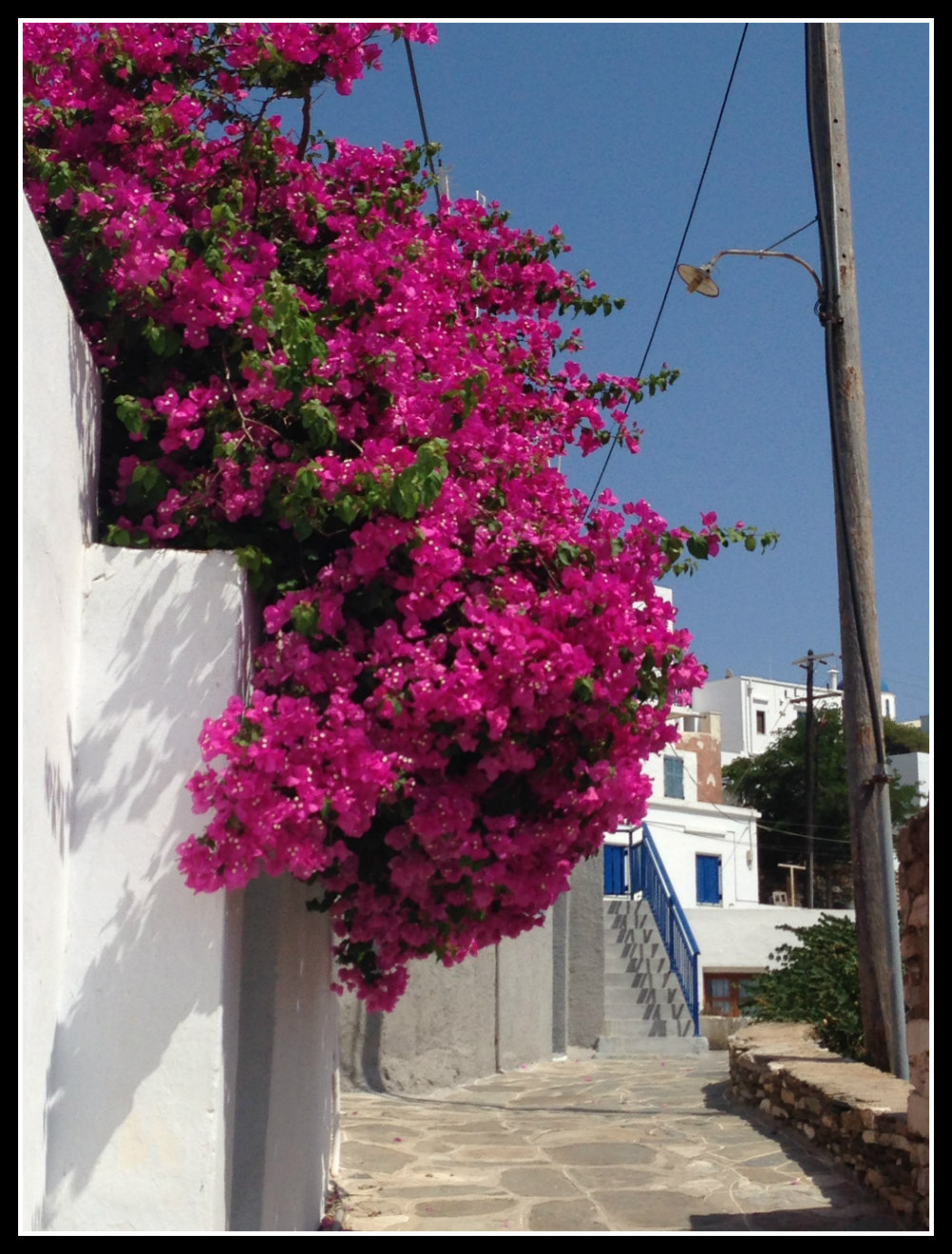
The Greek islands are famous worldwide for their immense beauty, blue waters rivalling that of the Caribbean, relaxed lifestyle and whitewashed houses and churches with that pink/purple bourgainvillia growing all over a familiar scene. In fact, a Bank of Greece survey – as revealed by amna.gr showed us that:
Over 27 million tourists visited Greece in 2017.
A typical Greek island scene
And that figure can only be set to grow, given the country’s worldwide fame for its beauty. Islands such as Mykonos and Santoriniare the most famous whilst others such as Rhodes are also popular. They are all cruise destinations and many islands are linked to the mainland ie: Athens and ports such as Piraeus, Rafina and Porto Rafti offer excellent ferry services.
But to my mind, it’s all about the journey too. Cruises – whilst great for some – are a pretty impersonal experience – so how about sailing the Greek islands as a way to navigate your way around?
Many people know how to sail and do so in the Caribbean or other European destinations such as Spain, Malta, France and Italian destination such as Sicily and Sardinia. Many have their own licences to sail and are looking to hire sailboats ranging in size and price. And equally, many people don’t have a license, but don’t want to miss out on a sailing experience so are looking to hire a boat complete with crew.
The company’s been operating Bareboat and Private Yacht chartering services for many years, with over 30,000 boats registered on their site.
How does Yacht chartering work with Click and Boat – Sailing the Greek islands?
Looking for boat rental and a sailing experience in Greece? Owners of sailboats, motorboats, catamarans, RIB’s, Jet Skis and even Houseboats list their vessels with Click and Boat and those looking to hire head to the site to find their preferred vessel for their trip. As mentioned previously, prices range considerably and it’s possible to hire with or without crew. Specifics in the listing of the vessel include:
Number of people it can accept
Price per day
Size / Type of Vessel
HP of the engine
Location of Vessel
A star and comments ratings/feedback
So if you’re on a Greek island for a day or two and fancy just cruising around its hidden beaches, you’ll no doubt be able to find a motorboat or RIB.
Perhaps you’ve flown long haul and spent a few days in Athens;
But more importantly, you might want to then hire a boat from Piraeus port and sail the Greek islands from the capital. You could want a fancy sailboat or catamaran – with our without crew, depending on your level of experience, to really get the most out of your Greek island sailing experience.
Wondering what to pack for sailing the Greek islands?
Many of you know my other ‘job’ is as an author and my novel – Girl Gone Greekhas been out for over three years now. I also love reading, especially novels about Greece. Therefore I loved coming across Katerina Nicolas and her “Greek Meze” book series.
Katerina has a degree in English literature and has worked in finance for years. She’s been penning a living for ten years, with finance as her specialty and three years writing for a bridal company.
She is the author of the Greek Meze book series; a humorous look at life in a Greek village with larger than life characters. I’ve read all the six novels in the series so far and loved them so much, I wanted to interview Katerina to find out more about her and her inspirations
**Note: There will be Amazon affiliate links in this post, meaning if you wish to purchase, I’ll receive a small amount of commission at no extra charge to you**
Greek meze book series – the interview
Where do you live, and how long have you lived there?
I live just outside Stoupa in the Mani, near to the fishing village of Agios Nikolaos. I live in a stone house in an olive grove that I had built fifteen years ago. The cat decided to move in a couple of years ago after following my son home from a nightclub. He called it Houdini not noticing she was a girl, so she’s now Houdi. The resident tortoises have been in the olive grove forever.
What’s your favourite aspect to living in Stoupa?
It’s so peaceful and relaxed. The whole area is incredibly beautiful and very inspirational. It’s been a great place to bring up my son who’s now away at university – what better playground than the sea? I love to sit by the sea in Agios with an iced coffee, watching the world go by, knowing something completely absurd could happen at any moment and end up in the books.
What was your first Greek Meze series novel? And why entitle the series Greek Meze?
Book 1 is Goat In The Meze. As I was writing it I realized it would make a great series as there are so many eccentric characters to develop. The title is the last thing I came up with and once I’d settled on it, Meze seemed perfect to use for the series. I didn’t think anyone would mistake the series as meze cookbooks as the covers are too zany.
I have read all six novels – based in the fictional village of Astakos. How close to reality have you made the village? What influences did you have?
I love that you’ve read all the books! Asktakos is visually inspired by the local village of Agios Nikolaos with shops, kafenions and tavernas based around the harbor, and the beach on the outskirts of the village – but as if it were in a more bygone era when donkeys and goats roamed the streets. The older characters in the book would have been around in the days before electricity, inside bathrooms, proper roads and all the other new-fangled modern conveniences arrived in the village. There are influences from other Mani villages too and their resident colourful characters.
I have found the characters hilarious and a joy to follow! We all know fiction occasionally resembles real life – but how close to ‘real life’ are the characters in the Greek Meze series?
Certain characters were inspired by real life with a hefty dose of poetic licence thrown in, but then took on a life of their own. Every off-the-beaten track Greek village will have its own bossy interfering Stavroula, the gnarled old fishermen who still think they’re Greek gods when they draw their pension (and still attractive enough to seduce a Masha), and a kind-hearted practical Soula. Lots of readers tell me they spot the characters when they are holidaying on a Greek island and they look out for the favourite fashion of hideous old lady dresses.
Many of the crazy things that happen in the books were inspired by actual events. One of my favourite moments was watching an ancient old man who could barely stand up unassisted drive his car into the back of another vehicle and then calmly start eating his tinfoil wrapped sandwiches, demanding someone bring a brandy to the now dented car to steady his nerves as the whole village erupted into yelling around him. I used that incident for Nitsa in the taxi. As far as I know, the fish van has only ended up in the sea once, but the Thomas character lost his van to the sea twice.
I’m currently writing ‘Hiking the Icon’, Book 7 in the series. I hope to have it available in January 2019.
Tell us one rare gem we wouldn’t know about Greece – given you live in a place in the middle of nowhere.
Where I live isn’t nearly as backwater as my fictional village as progress creeps in and it’s less in a time-warp than it was. But there are some locals who have delusionally persuaded themselves that chickens really are vegetables in order to brandish their nonexistent vegetarian credentials. Having once recklessly said they’d gone veggie they are stuck in the position of making it fact without losing face: it’s really an extension of the Greek loathing of following rules which means there’s always an ashtray under the ‘No Smoking’ sign and an on-going dispute over the ownership of a hundred-year-old olive tree or the paternity of a goat.
Thank you Katerina! I love Greece as much as you and certainly enjoyed you taking the time to be interviewed. You can buy the Greek Meze series on Amazon here, just in time for Christmas!
PIN for later
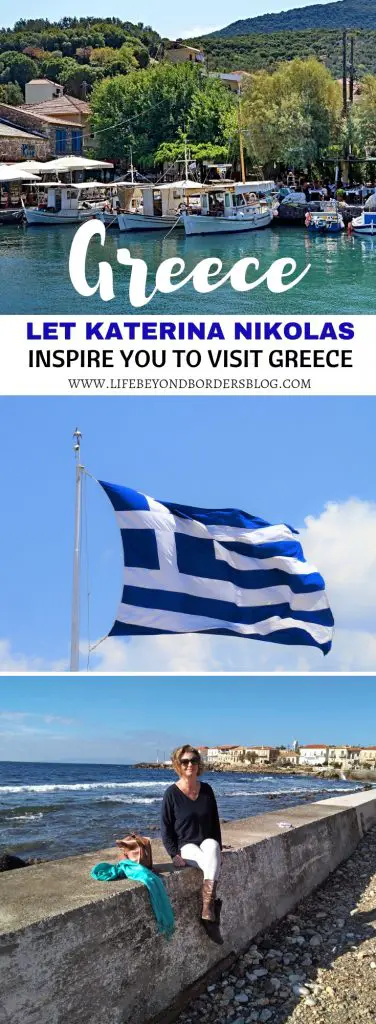
Let Katerina Nikolas – Author of Greek Meze series – inspire you to visit Greece
PIN for later
Katerina Nikolas – Author of Greek Meze series talks Greece and the Inspiration behind her Books
Pelion in Mainland Greece is a very special region. I have written about The Villages of Pelion and Hiking in Pelion too. Read those posts to find out more about this beautiful region of the country and what you can see there.
Pelion, Greece and the traditional foods of the region
Another enjoyable aspect of Pelion is sampling the different foods on offer, and I wasn’t disappointed when I sampled the food of this region. In this post, my intention is to show you what to eat and where to eat it in Pelion, Greece and to tempt you with the array of gastronomy found there.
What to eat in Pelion – Meze at O Patis – Zagora Village
Some great food to eat in Greece and to share with friends, especially in the Pelion region, is meze. Meze is, to Eastern Europe and the Balkans, like tapas is to Spain: a selection of small dishes served to accompany alcoholic drinks. In Greece, this alcoholic drink is usually tsipouro: a cloudy brandy style drink at 40-45% alcohol volume (no wonder food is served with it).
One of our stops on our village tour of the region included lunch / meze at O Patsis. It included delicious regional and locally sourced meat, vegetable and herb dishes – and tsipouro, as you can see!
What to eat in Pelion – Fish with tsipouro in Volos
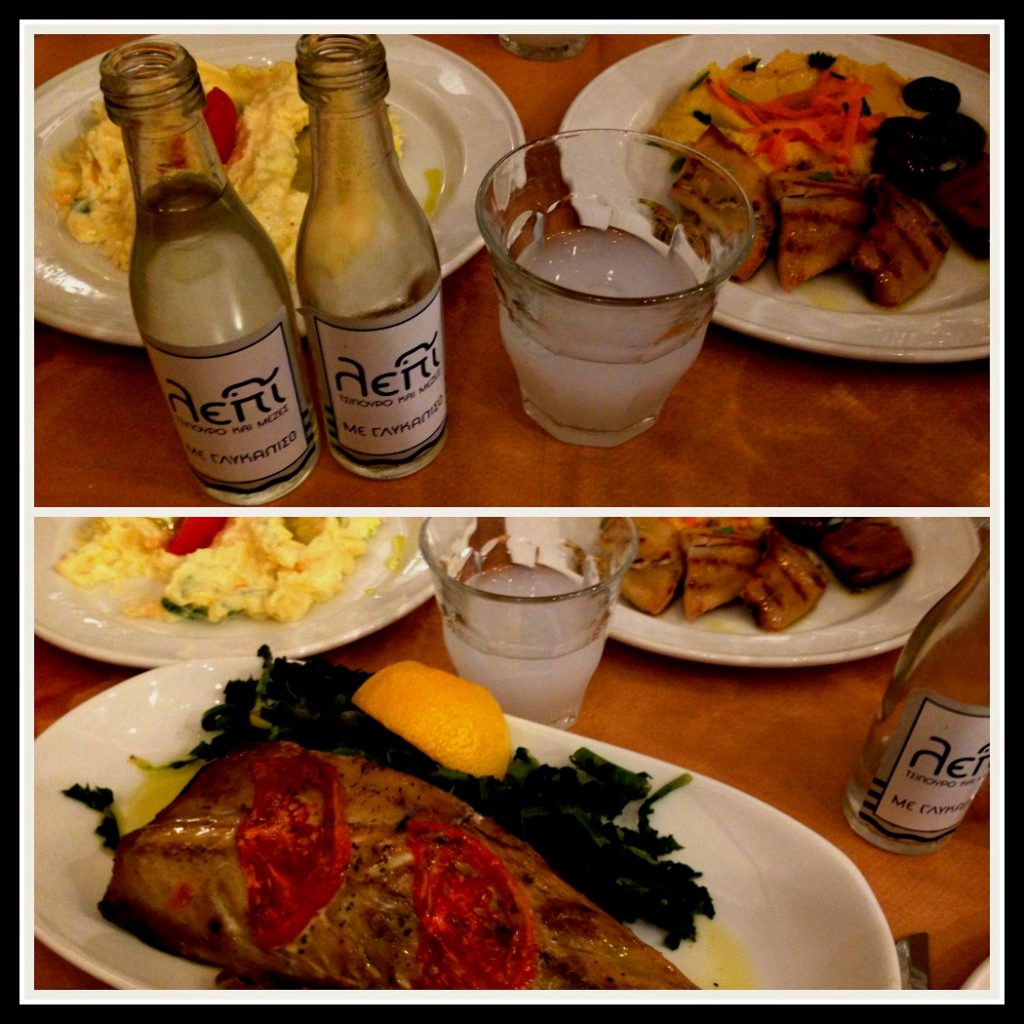
Another dish we had the chance to eat with tsipouro is fish. We visited the biggest town in the Pelion region – Volos, nestled just at the foot of the mountain, by the sea of the Pagasitikos Gulf – and sampled many fish dishes, including prawns, crab and other such delights, at Lepi restaurant and, of course, more tsipouro.
Selection of fish dishes and tsipouro at Lepi taverna in Volos
What to eat in Pelion – Award-winning gastronomy at Krista Hotel in Portaria
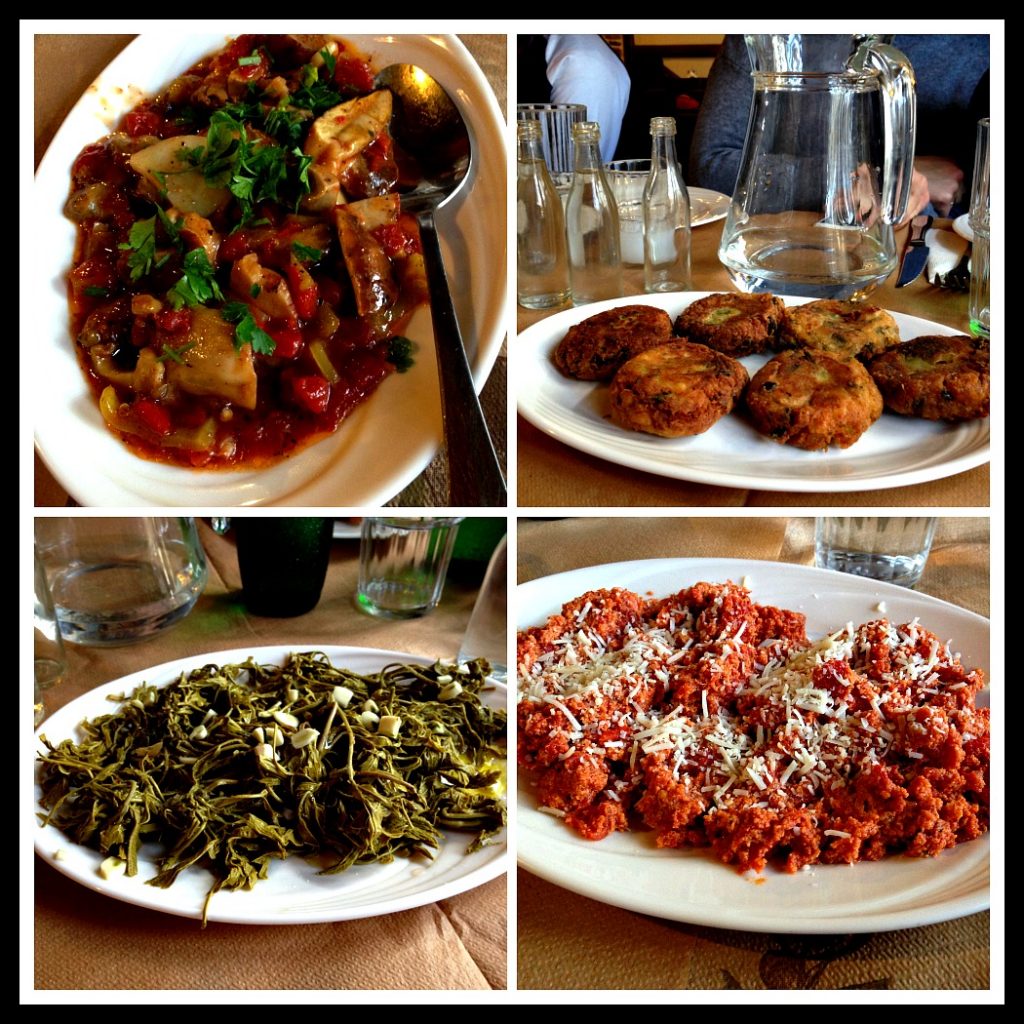
The Krista Gastronomy Hotel offers some of the best cuisine in the Pelion region. All products are again locally sourced, with the vegetables grown in the hotel’s own gardens. Specialities include:
Spetzofai (country sausages and peppers in a rich tomato sauce)
Sautéed wild greens with eggs
Falotyri (fresh creamy cheese)
Tsitsiravla (pickled wild turpentine shoots)
Trachana (fermented cracked wheat soup) with cheese or sausages
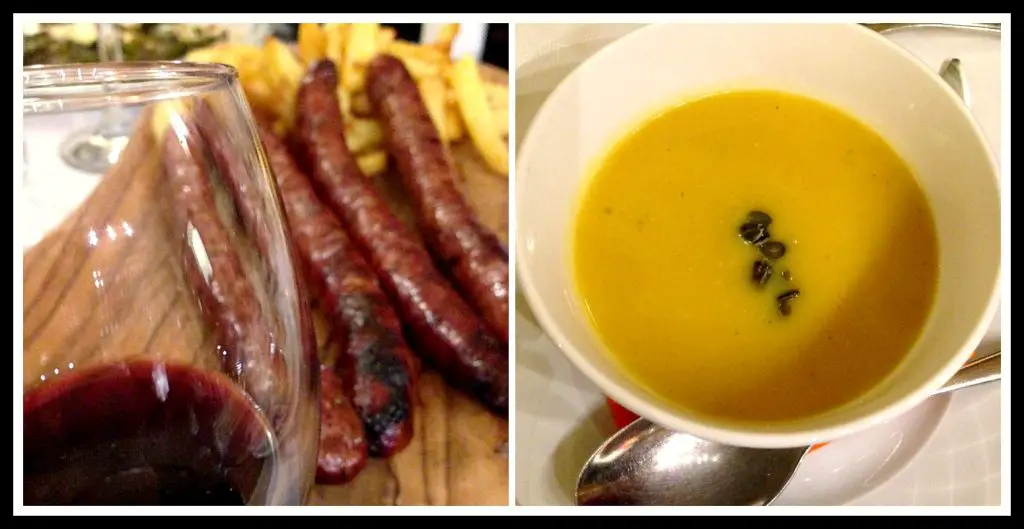
Boubari (oven-roasted sausages and potatoes)
Gastronomy at the Krista Hotel in Pelion
As you can see, by the end of our two day trip, the Travel Bloggers Greece were not left hungry! The food of the Pelion region of Greece is, indeed, delicious.
Have you been to Pelion? Have you ever tried any of the food mentioned here? Would you like to? Leave a Comment.
There’s a hidden part of Athens that had always eluded me. I had never been able to find it! Anafiotika is the neighbourhood, a hidden island village located under the northeastern side of the Acropolis Hill, part of historical Plaka. It’s like an island on the mainland. It forms part of my Insider’s Guide to Athens as a recommended place to take the time to find when you come.
Looking for a Greece travel guide that fits into the palm of your hand? Then my Greece’s Best Travel App for Android, iPad or iPhone is just for you.
History of Anafiotika – the hidden island village in Athens
The neighbourhood came into being in the reign of Otto of Greece – the Bavarian prince who in 1832, became the first modern King of Greece. Construction workers were needed to work on the King’s Palace, and they came from the island of Anafi, a tiny island in the Cyclades chain and with a population in 2011 of 271.
Up until 1922, inhabitants of Anafiotika were from Anafi island, then this tiny neighbourhood saw immigrants from Asia Minor start to arrive.
For archeological reasons, in 1950 many of the little houses were destroyed, and in 1970 the Greek state started to buy them.
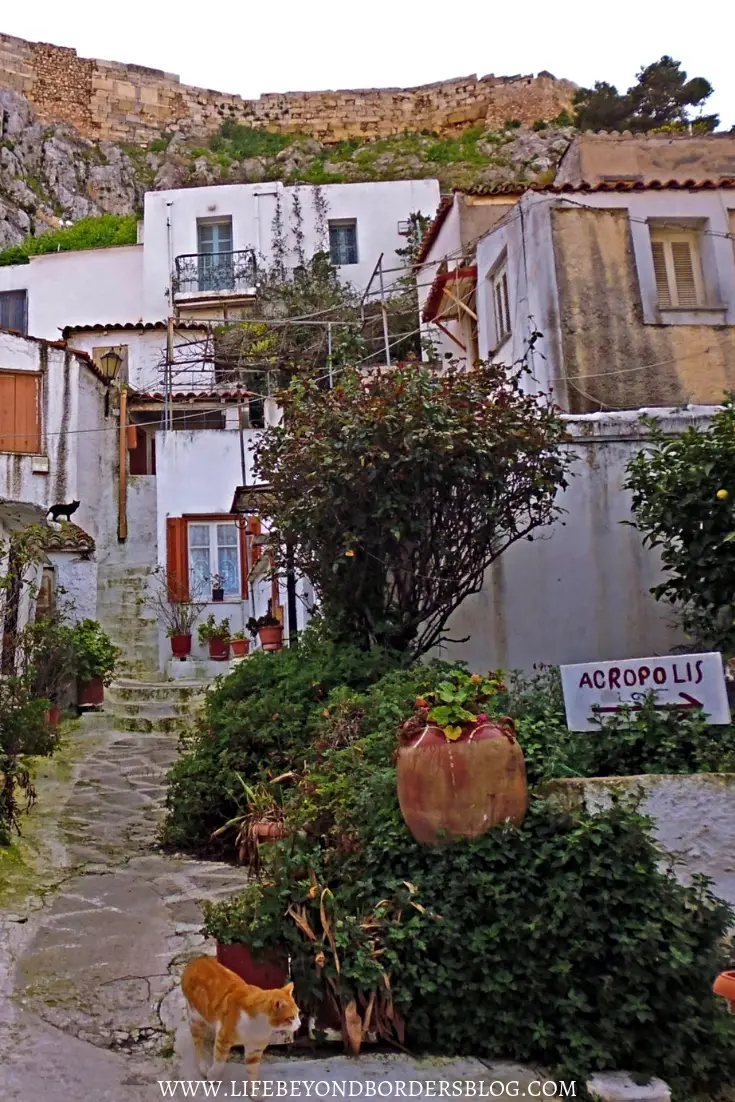
Finding Anafiotika – A Hidden island in Athens
Anafiotika – a hidden island village in modern times
Today there are only 45 houses remaining. However, wandering through the alleyways and seeing this unique neighbourhood – planned so that it resembled a Greek island – really does make you feel like you’ve stepped back in time. Away from the noise and hustle bustle, I loved it there – and am glad I finally found it!
Up, keep walking up
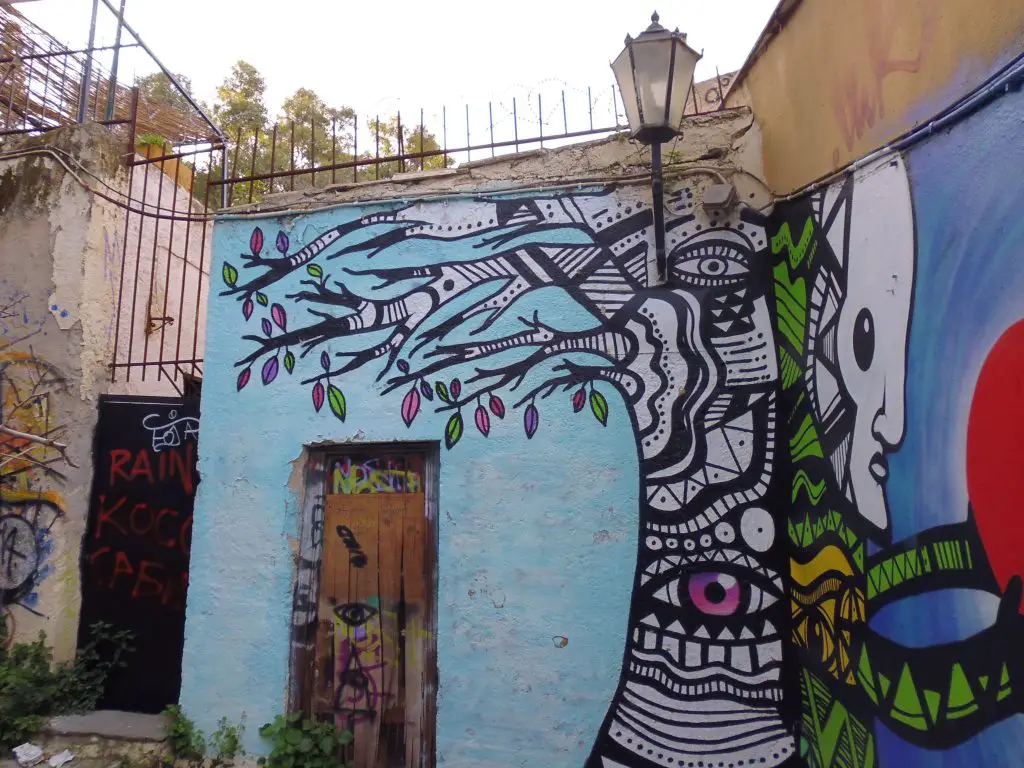
I was instructed. Yes, more than once locals would wave their arm in a vague motion that is so typical to the Greeks, in the direction of the Acropolis Hill. This time – my third attempt I might add – I did just that, I found ways to keep walking ‘up.’ Not knowing if I should be walking through certain streets, I stumbled across more street art:
Streetart on the way to Anafiotika neighbourhood, Athens
until I realised I was going in the right direction when I turned the corner and saw this:
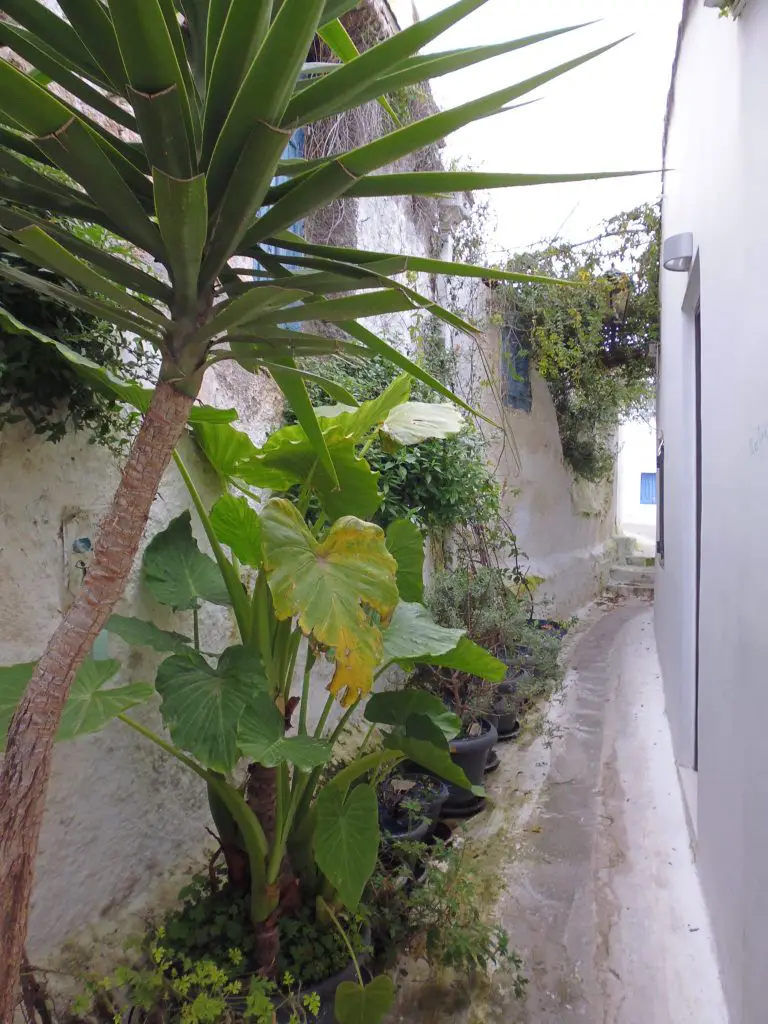
Tiny streets of Anafiotika in Plaka district of Athens
So let’s take a look at the simplistic beauty of this neighbourhood: a village within a city.
One of the many winding streets in Anafiotika – reminiscent of a Greek island
Finding Anafiotika – an island oasis in Athens
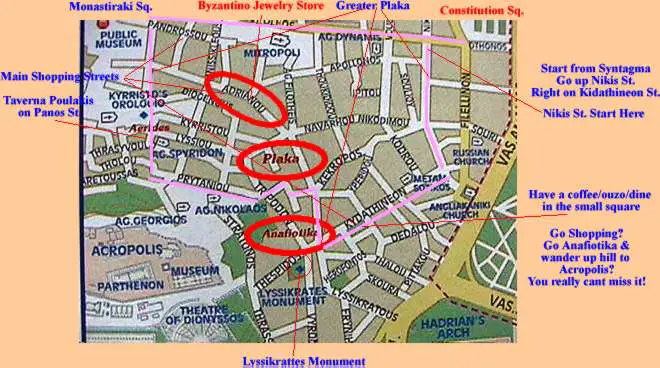
As I mentioned before, finding Anafiotika isn’t very easy. Asking locals will be met with vague directions, so I hope you may find this map helpful:
I’ve mentioned before that I strongly believe when travelling abroad, even for a short time, it’s good to familiarise yourself beforehand with some of the cultural norms and no-no’s, to avoid any cultural faux pas. I’ve written in depth about some Greek do’s and don’ts – Greek Customs and Etiquette, a slightly tongue in cheek look at what you can expect when you come to Greece, plus Things to Know before travelling to Greece to help you better prepare yourself.
I loved writing these posts, so I thought I’d look further afield at cultural faux pas in other countries worldwide – and I reached out to others who’d be able to give me (and you) some insight.
Without further ado, let’s look at some cultural faux pas around the world and how you can avoid them.
Cultural faux pas around the world: Arriving Fashionably Late in Mexico – Central America
by
Talek of Travels with Talek
Let’s kick off with timekeeping. I know here in Greece, time seems to take on a different concept ie: actually being on time might mean actually being late by our standards. Turns out it’s not just Greece either:
Travels with Talek: I worked in Mexico for about four years where the friendly people went out of their way to invite me to parties and other events. My first invitation was to a birthday party that started at 7 PM. I was anxious to make a good impression by being punctual. I arrived way early and didn’t want to go in before 7 so I drove around and had coffee until party time.
At precisely 7 PM I grabbed my bottle of wine and rang the doorbell. I was surprised to see the hostess open the door in a bathrobe. She was equally surprised to see me. “Hi, I’m here for the party,” I said with a tentative smile. Did I get the date wrong, I thought? She kindly explained that events don’t really get going until about an hour after the assigned time. From then on, I always arrived fashionably late by about an hour.
A socially accepted gesture in places like Europe and Latin America, the kiss on the cheek is commonly used as a greeting, a sign of respect, friendship or to congratulate someone. However, there are many other places across the world where this gesture is not common at all.
To give an example of a wide geographic area where the kiss on the cheek can be considered offensive, take for example Southeast Asia, especially the Muslim and Hindu countries. There, the innocent fact that two men or two women kiss is not a socially accepted greeting. And it is for this very same reason that a Southeast Asian man may feel uncomfortable greeting a European woman in this way. But even there, we can find some exceptions: As in Macao and on Celebes Island, cultures influenced by the Portuguese, and in the Philippines, where it is also common.
BeyondBex: Thanks Inma. This is a good faux pas to point out.
Cultural Faux pas around the world: Cover up in Cambodia – Asia
by Jean of Traveling HoneyBird
Cambodia temples
It’s hard to believe that Cambodia is a modest Buddhist country. One look at Instagram and you’ll see swarms of young, tanned backpackers in singlet tops, daisy duke shorts and flip flops. Floating around between bars, the beach and temples. Temples you say? So here’s the thing, Cambodia is a rather modest and conservative country despite the hot weather and party atmosphere. The most common cultural faux pax regularly seen is tourists heading into the temple sites in mini shorts, mini skirts and singlet tops. Many of these temples require you to climb up steep stone stairs in order to get the most wonderful views from the top.
And there’s nothing worse than looking up to the next step and getting an eyeful of someone’s vagina, first thing in the morning or at any time of the day actually.
Cultural Faux Pas Around the World – Not covering up
It’s easy to wear small, light weight clothing. When you visit the temples you do need to cover up your shoulders, wear loose pants and cover the knees. One of the most ridiculously fun ways to do this is by buying some local cringe worthy items of clothing such as Thai pants and an elephant print scarf. Your wardrobe will scream tourist, but it’s worthwhile to not insult the community.
Beyond Bex: Good advise Jean – thanks. Yes, I agree: there’s nothing worse than insulting the local community because you insist on wearing what you want into a sacred environment. They have the same rules in Greece too. I do wish people would respect the signs made obvious at the entrances of said places and wrap up.
Cultural faux pas around the world – Don’t smile in Russia!
by Liza of Tripsget
Moscow
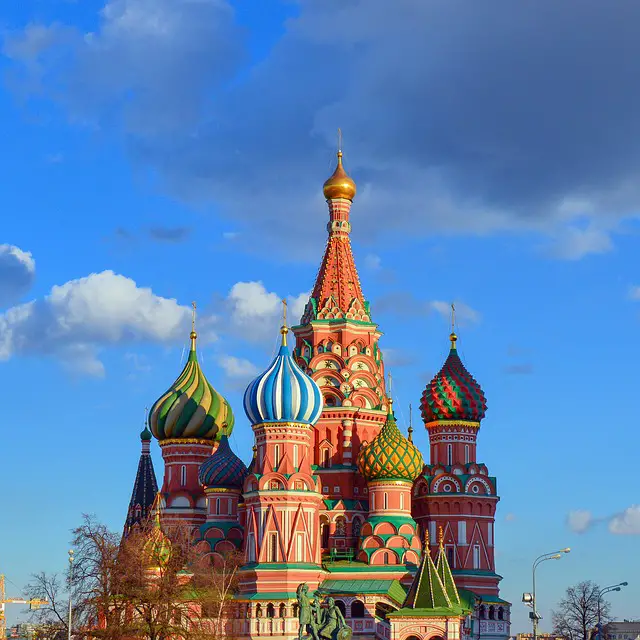
If you’re planning to visit Russia one day, you should be aware of the fact, that it’s not common to smile in Russia, unless you have a reason for smiling. That doesn’t mean, of course, that Russians never smile and always look like Grinch, who stole Christmas. In a group of friends, they can be friendly and cheerful like any normal people all around the world. They can even smile in public places if there is something worth smiling, e.g. a cute dog or something funny is going on. However, what is totally uncommon in Russia and is considered “weird” is smiling at people you don’t know for absolutely no reason. Some people could actually feel offended or even threatened if a stranger stares and smiles at them. How can someone be offended and threatened by a smile, you might think? Well, the truth is, Russians, especially those from the North and Central Russia, are quite reserved and don’t usually show emotions in public. And constant smiling for them is a sign of either stupidity or even danger (“what is this person is mentally ill and planning something terrible towards me?”). So well, it’s fine to smile if you’re receiving a good service and thanking someone for it, but try to avoid staring and smiling at strangers in Russia.
BeyondBex: Really interested in this tip! Who knew that even something such as smiling can cause offence or frowned upon!
Cultural faux pas around the world: Bonjour (and bare foot) in France
by Nadine of Le Long Weekend
Paris
The word ‘Bonjour’ is more than a simple greeting. To the French it’s an incredibly important social cue. So important, that its absence at the beginning of any encounter will leave a sour impression. But the use of Bonjour isn’t restricted to situations where one would normally use hello or g’day (depending on which part of the world you hail from) its use is far more complex and widespread.
Situations where you might normally avoid eye contact altogether – such as lifts and doctor’s waiting rooms – aren’t immune either (although you don’t have to greet each person individually, a sweeping “Bonjour Madame, Monsieur” will do). And no longer can you get away with a quick smile as a greeting – as Anglophones are wont to do. Basically, if in any doubt, say Bonjour!
Shoes (or the lack of them) are another cultural misdemeanour waiting to happen in France. Where I come from (NZ), it’s common to remove your shoes at home & when visiting other people’s homes. Shoes on (or near) the beach are entirely optional, and jandals are standard summer footwear. Here in France, going barefoot – even at home – is frowned upon. Slippers are, if not mandatory, at least heavily enforced (although I still defiantly resist this rule in my own home, much to my husband’s despair) and jandals are strictly reserved for the beach. I remember once walking back to the car from the beach with my sandy-footed son and the looks I received were nothing short of horrified.
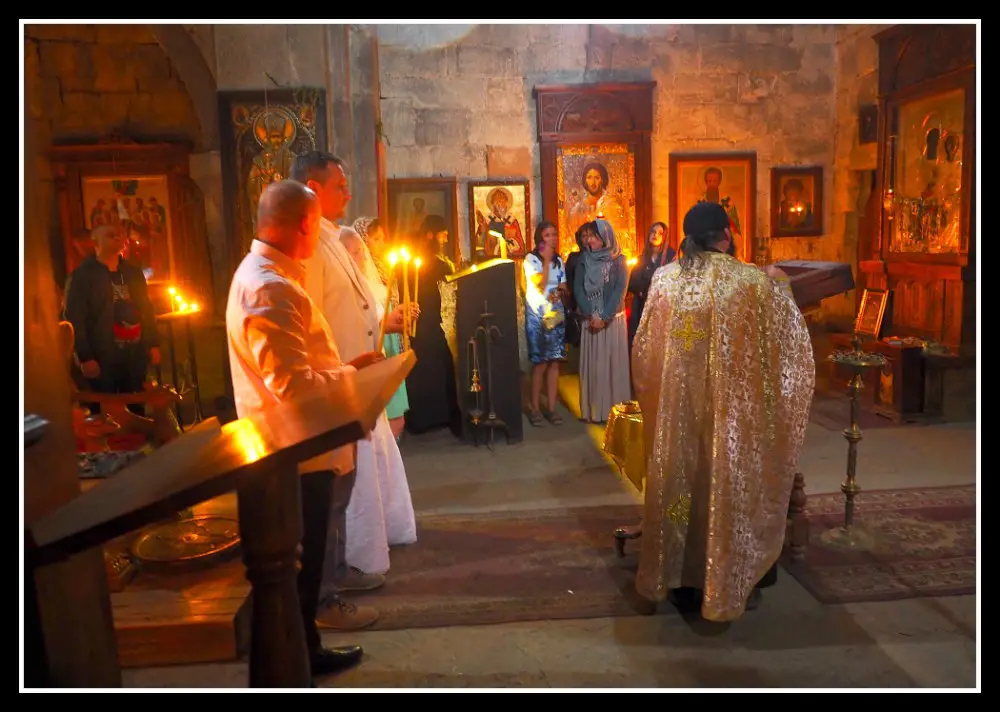
You become so focused on other cultures when you travel that it’s easy to forget you have your own. This was driven home to us recently when we were touring some beautiful old churches in the Republic of Georgia with a group of people from Iran.
Iranians are Muslim and it’s common practise in their culture to remove their shoes before entering a mosque. This is done so the carpets inside remain clean, as Muslims place their head and nose on the ground in prayer. This is different to Christian churches where going barefoot is considered disrespectful.
As a Christian, it was natural for me to walk straight into the church without pausing to take my shoes off. And I was surprised to see the shocked look on our new friends’ faces. They found it so odd to leave their shoes on. And it made me smile to see them tip toeing around the church not wanting to leave a speck of dirt behind!
When I, an American, arrived in the Netherlands with my Dutch husband, I very quickly started getting calls from his friends, or rather his friends’ girlfriends, inviting themselves over for a cup of tea. That in itself seemed odd to me, given that in the US you never invite yourself over to someone else’s house. But I also knew they wanted to check out this American woman they’d heard about but had never met.
From visits with my in-laws, I’d learned that tea also meant cookies, so I would either buy or bake cookies in preparation for these visits.
The woman would come in and we’d exchange the usual greetings (three kisses on the cheeks) and sit down. I would pour tea for them and for myself. I’d place the teapot and a full plate of cookies between us on the table.
As we chatted, I would eat a cookie … or two or three. They wouldn’t. When I finished my cup of tea, I’d pour myself another. They wouldn’t. It didn’t occur to me to wonder why; I just figured they didn’t want any more tea and they might be dieting or not like cookies.
I figured out months later what was really happening: I was being incredibly rude. I was supposed to keep offering tea and pouring it for them. If I didn’t, I was sending the message that it was time for them to think about leaving. Not only that: I was supposed to offer cookies from time to time by lifting up the plate and holding it out to them, or by saying “Would you like a cookie?” and again, later, “Would you like another cookie?” Instead, I sat there, pouring my own tea and munching cookies, never once offering them any. So rude!
BeyondBex: Interesting cultural observation. Because in the UK, we would think it rude to go into someone’s house and, even though there’s a pot of tea and biscuits in front of us on a table, I personally would wait for the host to ask and serve me (I think it also depends on how well I know him/her. If I’ve known them a long time, I would probably dive right in!)
BeyondBex: Staying with the Netherlands – Europe, I introduce two entries:
If you’re looking to come to The Netherlands to show off your new Ferrari, or E-bike, stop right now. If you’re bragging in The Netherlands we, Dutch people, will immediately dislike you. The reason? We have this saying that is the following: ‘Doe maar gewoon, dan doe je al gek genoeg.’ Literally, this means ‘act normal, then you act weird enough already.’ If you stand out positively or negatively and are loudly bragging about the next house you are going to buy on Mauritius, it’s best if you leave the country. People who are show-offs are considered arrogant and if there’s something we hate… You guessed it. It’s arrogance. If you are looking to talk about your wealth or status, choose another country because you will not be met with open arms. In fact, it will make you unattractive and you will not make any friends with the locals. This doesn’t have to do anything with jealousy though. We, in general, keep our wealth and status to ourselves and don’t feel like showing off. It’s our normal behaviour.
BeyondBex: Gosh! Some very strong feelings expressed here! Does anyone feel, when they travel, that they hear ‘bragging’? Is bragging a culturally relative concept? eg: what might be considered bragging in one country could be perceived as not in another. Any thoughts?
Cultural Faux Pas around the world: 2) Photos in the red-light district in The Netherlands
One other cultural faux pas in The Netherlands is taking photos of prostitutes in the red-light districts. I know that not every country has legalized prostitution, however this doesn’t mean that you should treat the men and women like they’re a part of a theme park. Prostitution is a real job in The Netherlands. Treat the men and women with respect. Would you take a photo of every hairdresser you see? Or cashier? I hope the answer to that is no. Besides that, not everyone who works in the red-light district has told his or her family members. So, privacy is very important. And some women are unfortunately the victims of human trafficking. In the case of the latter, you might think that it’s a good idea to take a photo, but it’s not. Leave that to undercover police officers and researchers. There are several signs in the red-light district of Amsterdam that tell you not to take photos. Why would you still take them? It’s called privacy. Another thing is that there are often ‘pimps’ or owners of the windows standing outside. And it wouldn’t be the first time that someone lost his or her phone after taking a photo. I warned you. It’s your own fault.
Follow Visiting The Dutch Countryside on Instagram
Cultural Faux Pas around the world: Using red ink in Korea – Asia
by Chris of Worthy Go
Korea
It’s not something the average tourist will see or do accidentally, but writing someone’s name in red ink is a big cultural faux pas in Korea. Traditionally, the colour red is associated with death, and red ink is used to record your name in your family’s register after you’ve passed away. To write a living person’s name in red is to wish them dead.
While you might not see it as a tourist, you might also see a do-jang, or a ‘name chop’ — essentially a personal rubber stamp or seal used in place of a signature. These frequently use red ink, and you might correctly ask, wait, what? But this use of red is perfectly normal.
Beyond Bex: Thanks Chris. This is interesting. I remember my schoolwork from a child and any feedback on essays being written in red ink, showing that culture indeed plays a role.
When you’re in Asia—especially in South Asian countries such as India, Bangladesh, or Pakistan—being a lefty is hard work. Why? Because doing something with your hands isn’t quite as straight forward as using whichever hand is free.
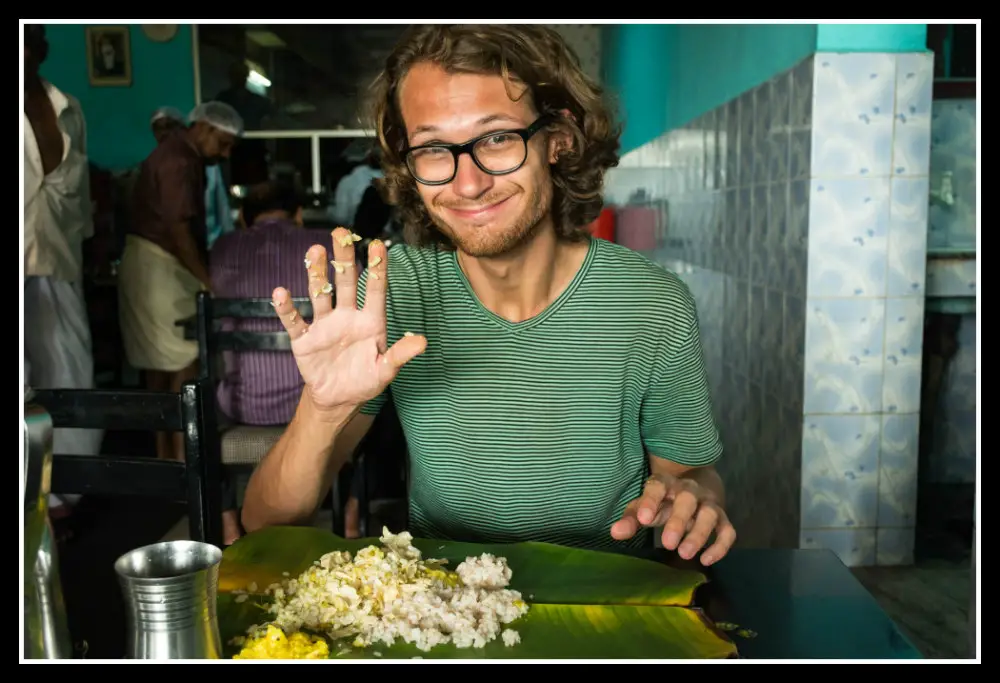
See, in South Asian culture, the left hand is considered unclean. Toilet paper isn’t common in this part of the world; many people rely on a splash of water and a swipe of the left hand instead. For obvious reasons, eating, handing over money or offering your left hand for a handshake is considered rude, to the point of being offensive. Though wiping with your hand is a thing, eating excrement or getting your faecal matter over someone else’s hands certainly isn’t.
Luckily, most people will understand you don’t mean offence if you fumble around with some money, and accidentally hand it to the shopkeeper with your left hand. But eating, pointing at objects (especially religious objects), or introducing yourself with your left are big no-nos to be avoided.
If you happen to be a lefty, start practicing eating with your right hand… or prepare to go hungry any time you eat out with others!
BeyondBex: This is fascinating insight Alex – thanks so much! A very valuable tip as many people travel around Asia.
If you are travelling to the UK, there are a myriad of rules about what’s polite and what just won’t fly in British society.
We’re a notoriously difficult bunch to decipher. Saying sorry when we absolutely mean the opposite, doling out levels of sarcasm that can be a shock to the system. However, if I had to give you one piece of advice, it would be this.
The queue is sacred. (BeyondBex: Yes! It is! Learn to queue!)
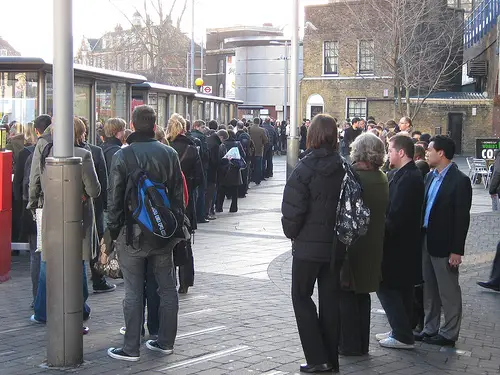
We Brits love a queue. Whether it’s getting on the bus, jumping on the underground, waiting for the ATM, getting on an escalator – I guarantee you that there will be a queue and that queue is sacred.
Don’t try and sidle your way in and think that no one will notice. Everyone will notice.
The more emboldened might mutter a cross word or two in your direction.
Someone might even say the dreaded words “Excuse me, but there’s a queue here”, which roughly translates as “Get to the back you selfish queue-jumping excuse of a human being. Don’t try and push in front of me or the other people here. Who do you think you are? The Queen?.
Of course, there are exceptions. Last spot on a packed train during rush hour? Guarantee you that will be a free for all. But these are the exceptions that prove the rule and that rule is… the queue is sacred.
If there’s one thing travellers can get wrong, or just have general anxiety about – it’s tipping.
Specifically, tipping in the United States.
Unlike many countries, minimum wages in the US are lower and mostly un-survivable, with some workers in food service and hospitality earning as little as $2 an hour! As a result, tipping has continued to remain a large part of American culture, with tips ‘paying’ workers a proper wage at the expense of customers. Whatever your view on it though, the meals are usually large and value for money, and your money can go far here – even with tipping.
So what happens when you come from a country that doesn’t tip, and you visit a country that does? This is the predicament that many people find themselves in – and where they begin to make the ultimate, albeit unintentional faux pas.
1. We Overtip – Give too much of our hard earned travel money away because we don’t want to look cheap. I remember on my first trip in 2008, tipping a shuttle driver $30 because he drove me 1 hour from the airport…what was I thinking? Should have been $5-10!
2. We Undertip – Give too little, or not even close to the 18% ‘recommended’ tip rate. How do we even know what “good” service is compared to “great” service when we have no idea how to tip anyway? Rule of thumb – double the tax. Or add 18-20% minimum to your bill total if you’re happy with your service.
3. We Don’t Tip At All – This angers me because while the other options are fair mistakes, there is no excuse for not tipping in America. Watch any film or tv show and you know what tipping is. But for those who refuse to tip because they don’t have the budget? That is actually ridiculous. Deliberately not tipping is the biggest faux pax a traveller can make. I always tip – but friends of mine have gone over and not tipped as they didn’t know they had to. But, after hostility from wait staff when they returned – they soon worked it out and tipped.
Don’t be the person that gets this wrong. Tipping is customary in America. If you don’t want to tip, don’t travel there.
BeyondBex: Gosh – some strong feelings there about tipping and how we get it wrong. Anyone want to chime in? It’s really interesting to see people’s views on this, especially as in Europe it can be considered an insult to tip. And by contrast, see the next cultural faux pax:
Cultural Faux Pas around the world: Do not tip in Japan – Asia
by Stefan of Nomadic Boys Gay Blog
One of the most interesting cultural faux pas we’ve experienced is the “no tipping” culture in Japan. In total contrast to the US, tipping in Japan is regarded as an insult.
If you try to tip in Japan, it will be refused and politely returned to you. In fact, it can be considered rude and insulting in many situations because it may be taken that you are implying that the business is not paying its staff a proper salary. Therefore, we suggest playing it safe by assuming that all prices in Japan already include gratuity and service.
If you do want to tip someone in Japan, the best way to do it is to present it as a sort of “gift”. For example, by placing the money inside a sealed envelope and handing it to the recipient, using both hands and a slight bow. Doing it this way ensures that neither party is embarrassed.
If your tip is returned to you, don’t insist they keep it as this will embarrass the recipient.
Whilst travelling in Japan consider renting a pocket WiFi so you can share your memories on the go and so you can have practical advice at your fingertips to prevent any other cultural faux pas.
BeyondBex: This is a really interesting one, especially because it contrasts so much with the U.S., where we’ve seen, by comparison, it’s an insult not to tip!
And what you say about the ‘brown envelope’ is also interesting because the fakelaki in Greek culture (brown envelope) used to be a tradition where money was put inside and pinned to the brides dress at weddings. Now, unfortunately, it’s used in the ‘bribe culture’.
Essential reading
Culture Smart pocket size Guide book to Greek culture and customs
Cultural Smart Guides are a unique pocket guidebook as they offer tips about culture and traditions from all the countries they produce books for. I received one about Greece as a review copy (for free) and admit I did find out many things about the country previously unknown. They go through a little about the history, values and attitudes, customs and traditions of a place – an excellent way to arm yourself to ensure you don’t commit any cultural faux pas when on holiday or even if you’re going abroad for longer.
Do you have any common cultural faux pas that you see happen where you are? Have you committed any and thought ‘I wish I’d known!’ Share in the comments – I, personally, feel as if I have learned a lot from these insights. Thank you to my collaborators.
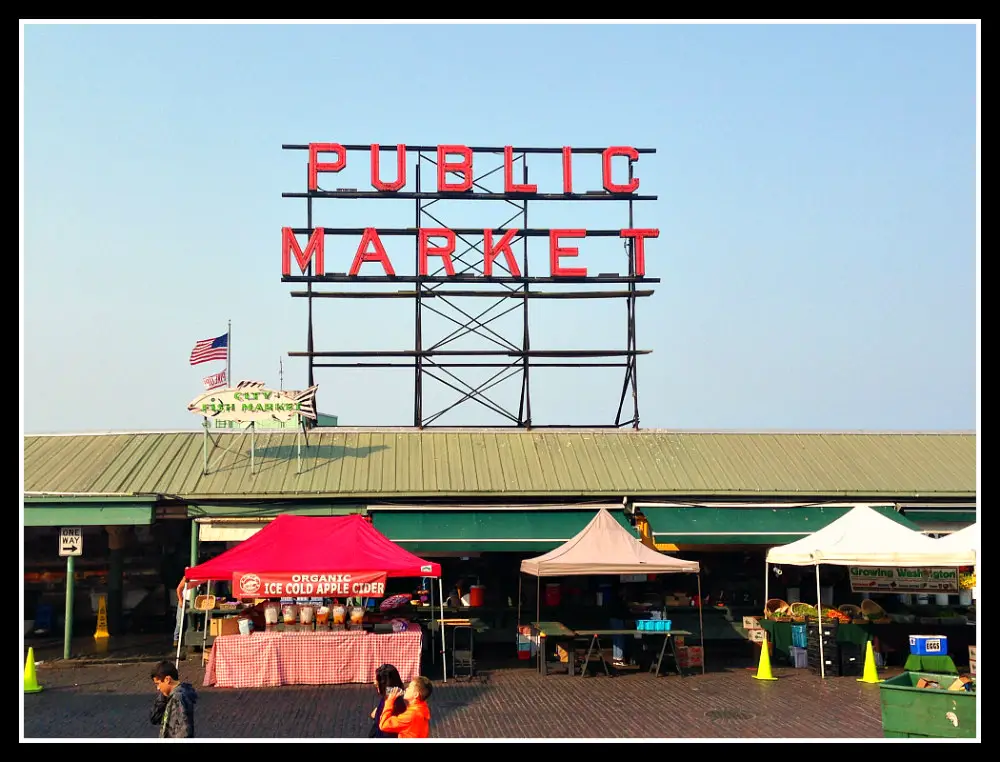
Apart from the Space Needle, and a day trip to Mount Rainier – Seattle’s other prominent destination (and landmark) is the Public Market Center – or Pike Place Market. I’d seen it many times in various T.V shows (Grey’s Anatomy for example).
Overlooking Elliot Bay waterfront and opened in 1907, Pike Place Market Seattle is one of the oldest continually running Farmers’ Markets in the U.S.
Pike Place Market – Seattle, USA.
What to expect from Pike Place Market – Seattle
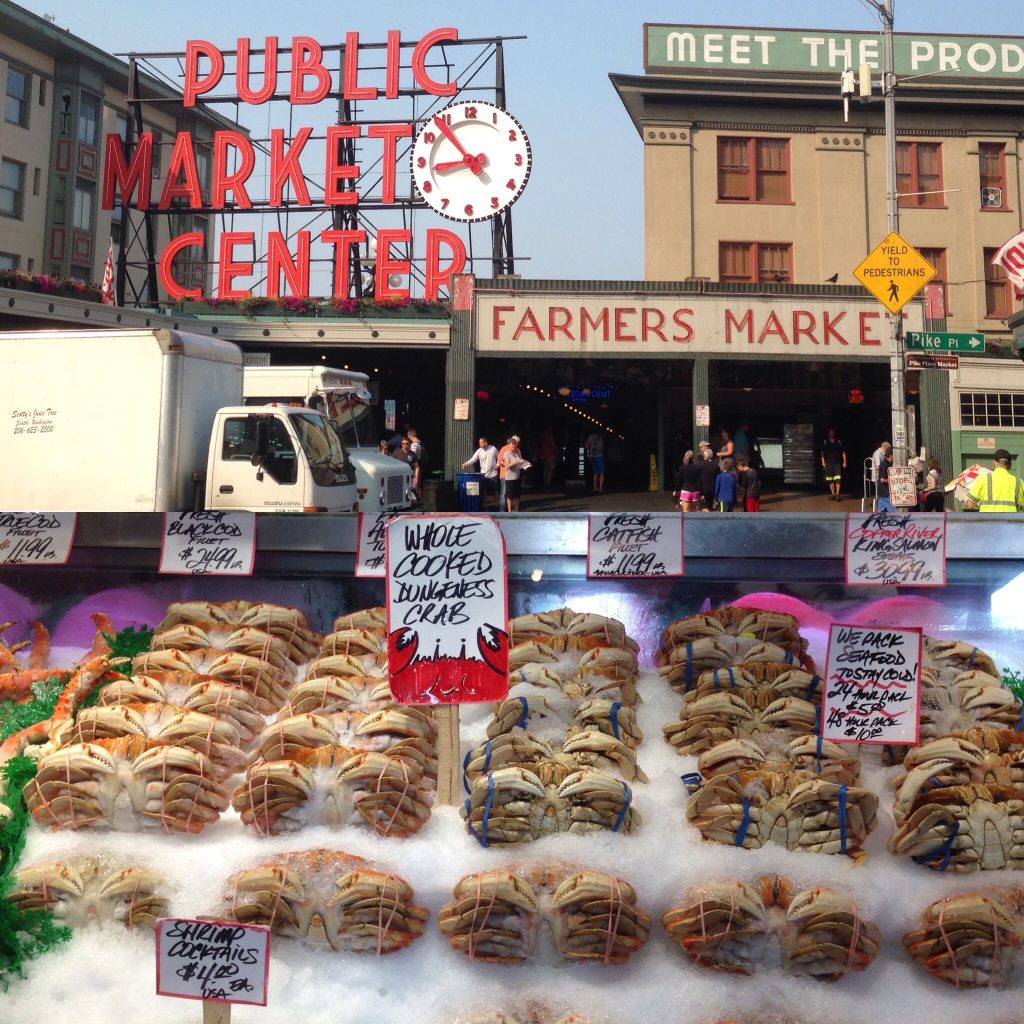
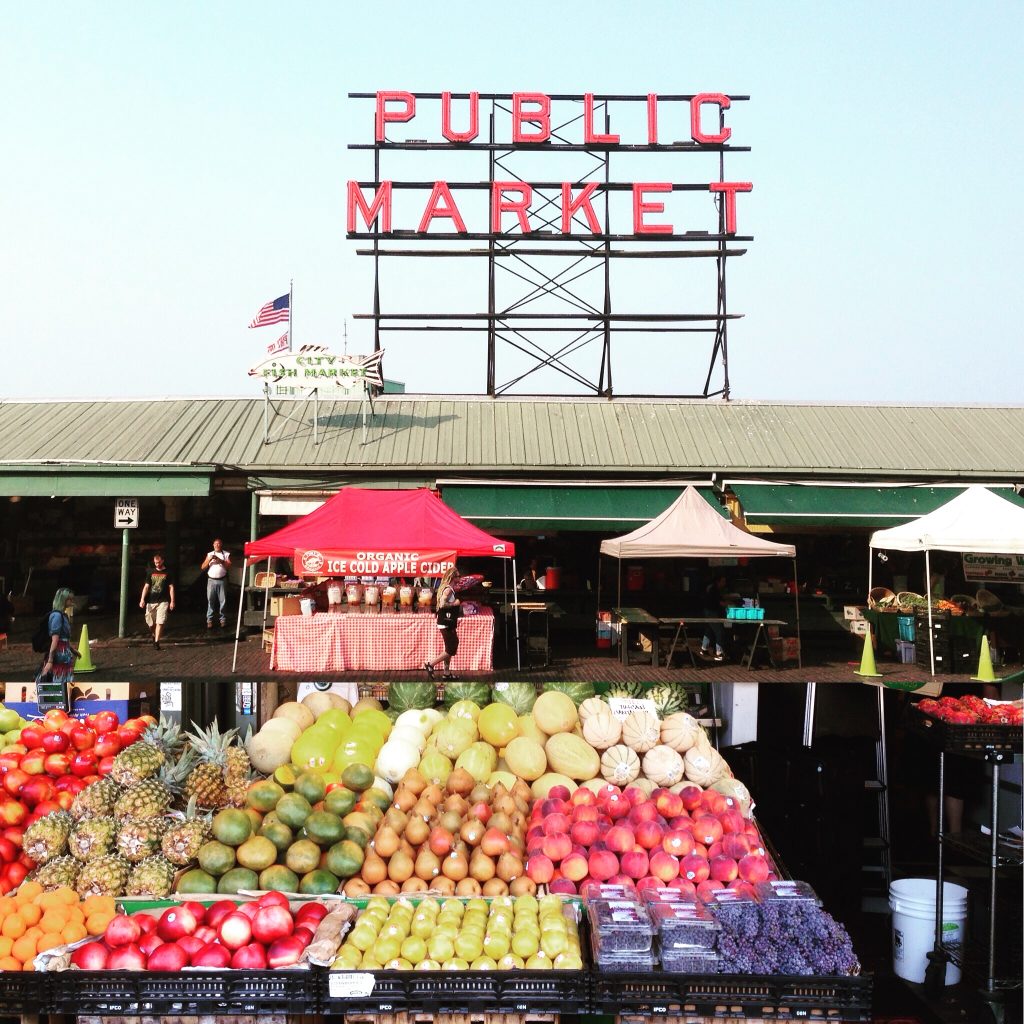
On about three different levels, you can expect to purchase fresh fish, flowers, farmers’ produce, crafts such as hand made jewellery, hats and lavender gifts (I bought several lavender soaps and room sprays) as well as find retro shops such as a rare vinyl music store on the lower level.
Look at all this great fish on offer at Pike Place Market – Seattle
Anyone for fresh vegetables? Pike Place Market – Seattle.
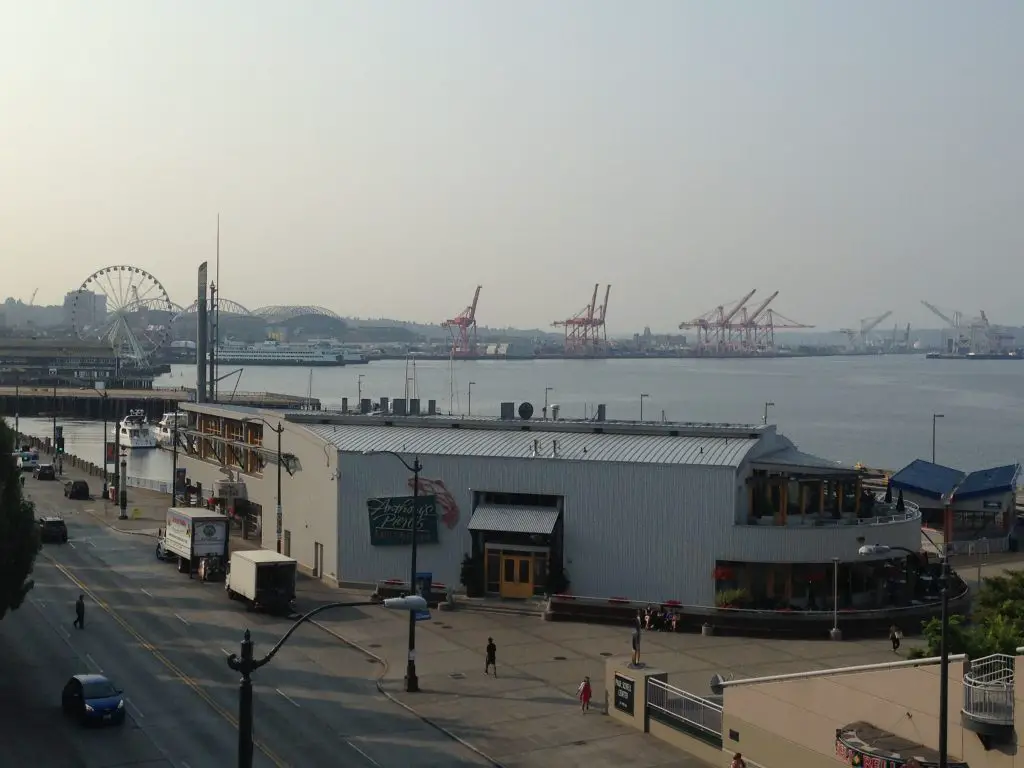
And once you’ve exhausted all those options, why not choose from one of the various eateries on offer to unwind, have some lunch or a drink, overlooking the gorgeous Bay, watching the Seattle State Ferries come and go, and maybe the occasionally container ship.
View from Pike Place Market restaurant whilst having breakfast across Elliot Bay
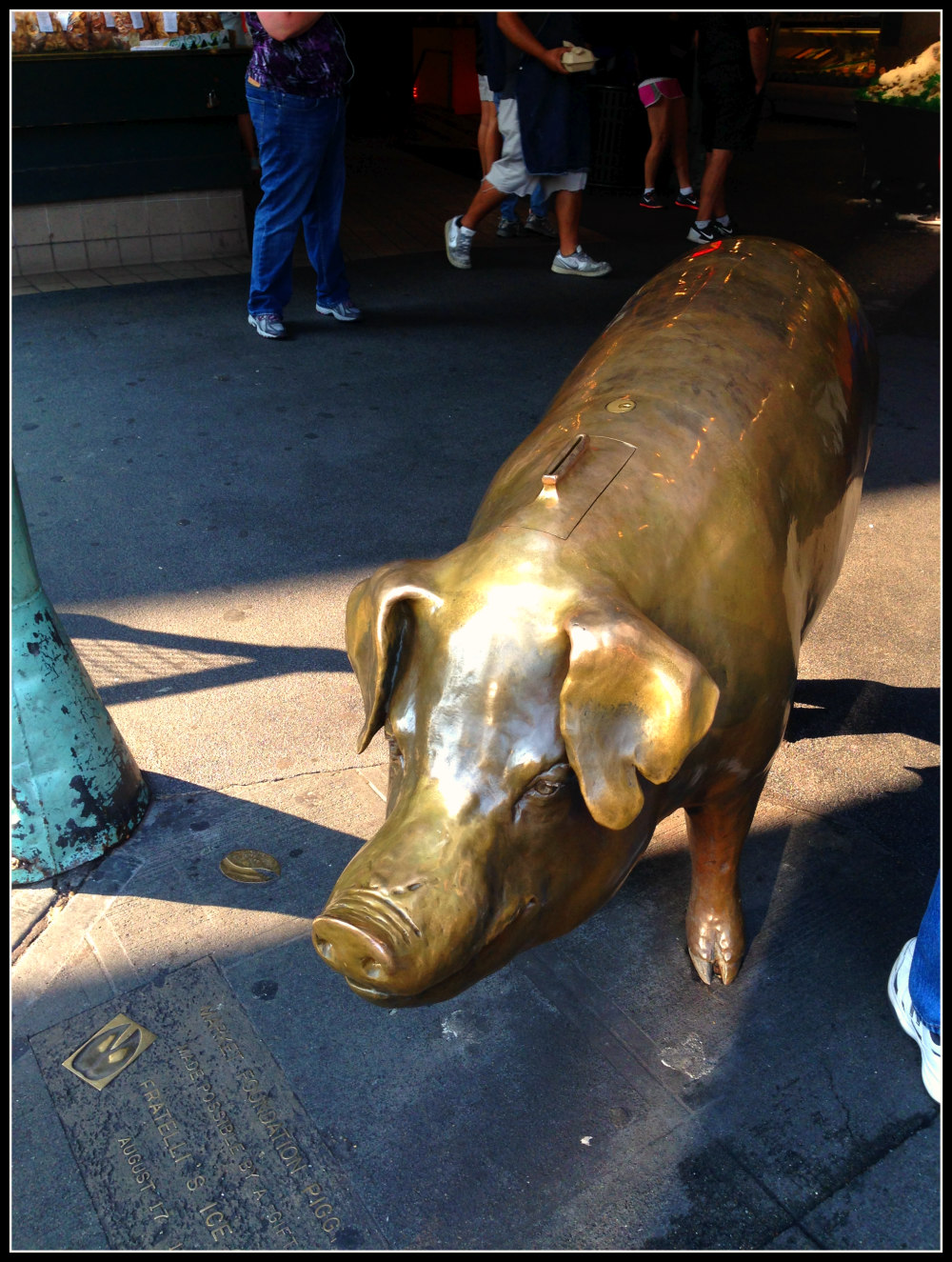
Located just at the Main Entrance, Rachel is the market’s unofficial mascot and at 550lbs, this bronze cast pig has been there since 1986 and receives, annually in her piggy bank, roughly US$6,000-$9,000 in all sorts of currencies. The money is used to help fund the Market’s various social services.
Rachel the Pig at Pike Place Market, Seattle, USA.
The Gum Wall at Pike Place Market, Seattle
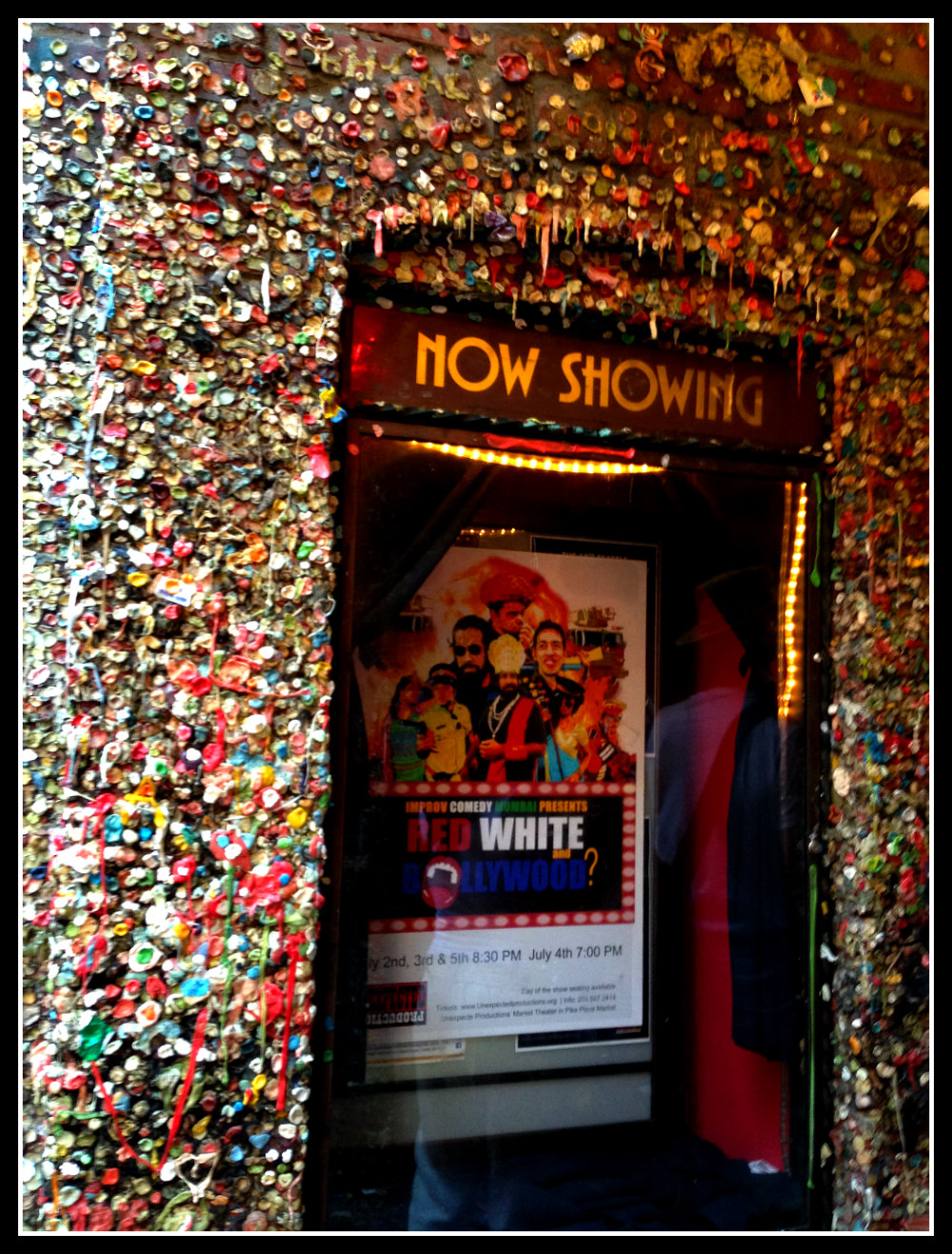
Running under Pike Place Market in Post Alley, you’ll come across a very Dickensian cobbled street – leading to The Market Theatre where Unexpected Productions regularly hold performances. By the Box Office, you can’t help but note not only the huge amounts of chewing and bubble gum stuck to the walls, but also the sickly sweet smell of strawberries!
The Gumwall – Pike Place Market – Seattle – USA
In 1993, audiences of the theatre started to stick gum to the wall after performances with penny pieces in them. The theatre workers would scrape it clean, only for it to keep being replaced. In the end, to this day, it has become an unwitting tourist attraction.
Interesting facts about Pike Place Market and the Gum Wall Seattle
Pike Place Market receives over 10 million visitors a year
It’s Seattle’s most popular tourist destination (yes, more so than The Space Needle)
It’s the 33rd most visited attraction in the world
A scene from the 2009 film Love Happens with Jennifer Aniston was shot at the Gum Wall
In 2009, the Gum Wall was in the top 5 of the Germiest Tourist Attractions in the world, second to the Blarney Stone (yes, I cringed when I saw Asian tourists place their hands on the wall for photos)
The Gum Wall is a popular place to have your wedding photograph taken (apparently!)
PIN for later
Pike Place Market plus one other must stop in Seattle, USA.
exclaims my guest as he exits the Arrivals Hall at Athens airport. Before I can start to feel nervous, he plants a matter-of-fact kiss on the top of my head (not hard as he is towering over me), then we greet in the usual Greek way: one kiss on each cheek – and I direct him to his hotel.
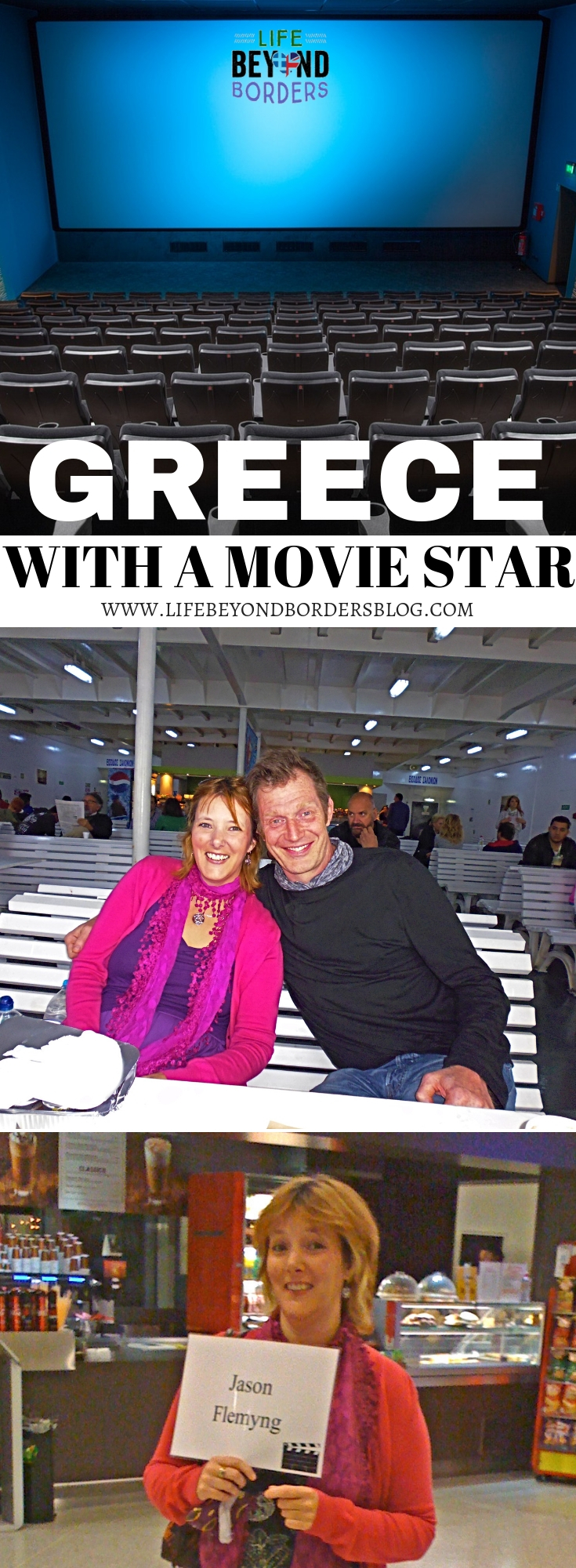
Greece with a movie star
It’s 2013 and I had been tasked with looking after a movie star coming to Greece and taking part in a small Indie movie being filmed on the Greek island of Kea. British movie star Jason Flemyng is probably best known for his roles in Guy Richie directed films such as ‘Lock, Stock and Two Smoking Barrels’ and ‘Snatch’ (with Brad Pitt). He’s also been in ‘X-Men’, among a variety of acting roles on both TV and film. He really is eclectic, so my opportunity to spend some time in Greece with a movie star left me feeling both a little afraid (that I’d make an idiot of myself) and star struck.
But with the ease at which he exited into the Arrivals Hall and greeted me, I immediately felt at ease too. I marvel at how down to earth he is, and how he’s apologising for the fact that his flight is 45 mins early! Yes, I can truly say that in my years of being in Greece, this is a first – and it’s the one time that I HAVE to be on time.
I had to ensure he made it to the port of Lavrio to meet the ferry to go to the Greek island of Kea where The Journey was completing its filming.
I love Greece. Been coming on holiday since a kid.
Bourgainvillia in Greece
And I was impressed with Jason’s level of Greek too – he conversed well with everyone he came across.
Also on time was the driver from George’s Taxi, or George the Taxi Driver as he’s famously known. In fact, this was the second time in less than 24 hours that something in Greece had been early. Clearly Jason Flemyng brought good vibes with him.
Despite having spent all day filming, hopping on a plane and flying into Athens and with an early start to the ferry the next day, Jason insisted on sitting up at the airport hotel to discuss Greece, his love of the country and was one of those rare stars (not that I’ve met many you understand) that seemed to take more interest in you than wanting to talk about himself.
Greece with a Movie Star – on Kea island
Cast, crew – both in the UK and Greece have been incredibly supportive of this indie project of Lance Nielsen’s vision – an incredibly brave man, and one who has this knack and unknowing ability to pull together some amazing individuals who work well together. The result will be…well, just you wait.
Relaxing with some tremendous Greek food at the end of a long day of shooting for the cast & crew
And so, with the final scenes being shot in the capital, I feel proud to have been a small part of this crew, spend some time in Greece with a movie star and can’t wait to see the end product. The title is apt, it’s been a spiritual (and physical) journey for all involved…many for the first time in Greece.
You’ve decided you want to road trip across the United States, but don’t particularly want to drive. Whilst you know Amtrak do some good deals, you want something a little more inclusive, but also with the ability for privacy too – to see the best this huge country has to offer.
Let me introduce you to a road trip across the United States with the Green Tortoise.
A Green Tortoise is, as we know, a crustacean. It’s also a renovated 1960’s Greyhound bus that offers various trips such as a Alaska Expedition or Western Pacific Explorer.
Green Tortoise Logo – Travel Across the United States
Back in 2004, Green Tortoise were offering Coast to Coast trips, West to East and visa versa – me choosing the former as I had flown into LA after a lengthy flight from Fiji and was due to fly from New York back to the UK. Rather than fly coast to coast or hire an expensive car, why not join an organised tour and meet like minded people?
Group sizes were relatively small (about 15 of us)…and a mixture of nationalities: fellow Brits, North Americans and Europeans. Alas, it does seem at the moment they’ve stopped the coast to coast trips (not showing on their site), but I’ll fill you in on my adventure…a minimum number of people will be needed in order to operate it. See this page for All Departures by Date for an idea of the Cross Country – road trip across the United States.
Road trip across the United States coast to coast – The bus
A Bus by day, bed by night
The bus set up was made so that one could sit at tables during the day, and at night converted into one mass sleeping centre. There were bunks, places under the bus to store your big luggage and a place for daypacks. The drivers took it in turns to drive, with their own special sleeping compartment – hence the bus would drive through the night if needs be to get us to our destination.
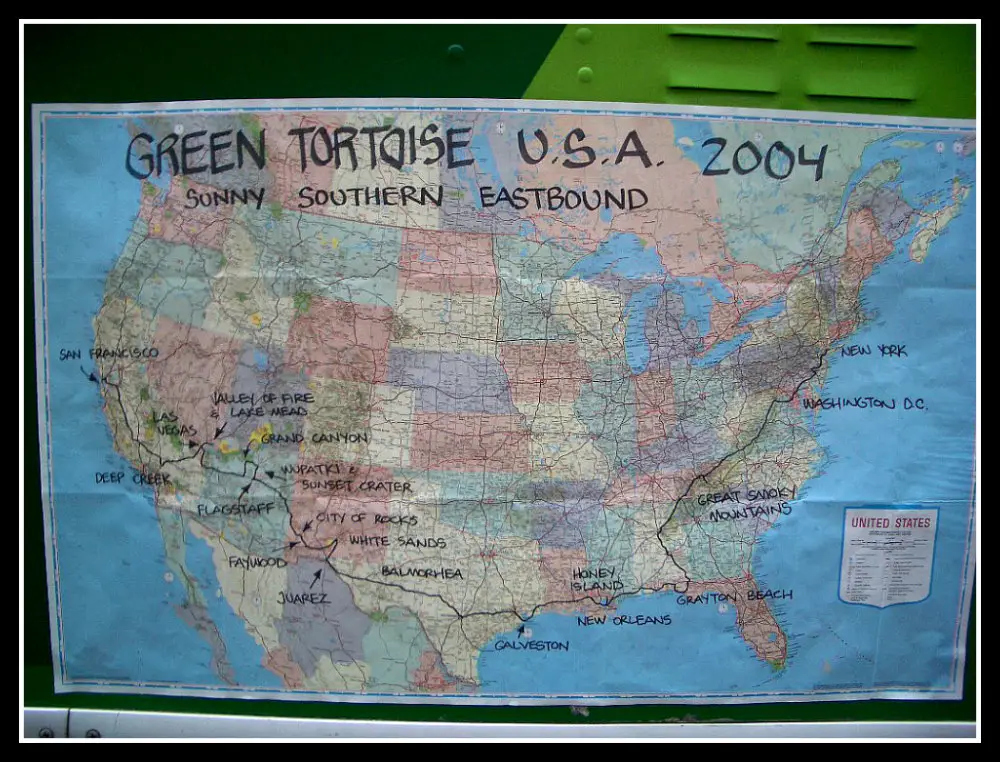
Road Trip across the United States with Green Tortoise – the route
Our route was very varied. See the map here for our (roughly) 14 day trip.
Road Trip across the United States with Green Tortoise Adventure Travel
As you can see, we visited many eclectic destinations in a variety of states along the ‘southern’ route. Starting in San Fransisco at the Green Tortoise hostel, they also have one in Seattle, I actually joined the bus at a random place – Bakersfield – they were passing en-route just outside of LA. Having landed in the city 12 hours previously from Fiji, I managed to co-ordinate it so that I caught a Greyhound to Bakersfield (that was an experience!) then waited in the bus station at the dead of night until the Green Tortoise drew up to a shuddering halt at 2am. It was hard to miss her green hulk.
The bus had already been pulled out to accommodate the sleeping so I had to pick my way through the bodies and find a place to plonk myself…my bus driver being very accommodating and finding me a place to shuffle into.
Sin City – Las Vegas
We all know Las Vegas – Sin City in the desert in Nevada within the greater Mojave Desert. In 1931, the state legalised gambling and Las Vegas, through several years, grew from strength to strength to become a global leader in the hospitality industry. Read moreabout Las Vegas.
It wasn’t my favourite stop, being one who prefers nature and quiet – but I think if you have the opportunity on your road trip across the United States, you should definitely stay a few hours here to say you’ve been. Las Vegas is, after all, world renowned.
Grand Canyon
One of my favourite stops, if not an obvious tourist destination.
The Grand Canyon National Park is another must visit during your U.S. Road Trip. We drew up in the afternoon and set up camp, exploring during the daylight hours, camp light at night with dinner and roasted marshmallows, etc with sleeping on the bus again until we left about mid-day the next day.
Road Trip Across the United States: Fun facts
The Grand Canyon, in Arizona is carved out by the Colorado River and is 277 miles long (446km), up to 18 miles wide (29km) and over 6,093ft (1,857 m) deep
Pueblo tribes consider the Canyon a sacred site, whilst for 1000s of years, the Canyon’s been home to many Native Americans
It’s part of the Colorado River basin which has developed over a period of 70 million years
The dunes cover over 275 sq miles of desert and has been around for over 10,000 years. Read more about the History of the White Sands National Monument.
Airplane Boneyard – Mojave Desert – California
Another amazing place we went through was the Airplane Boneyard, where retired aircrafts live out their days in the desert air (stops them rusting due to the weather. They are slowly dismantled). Read more.
Cities as diverse as New Orleans, Washington D.C., New York, Boston, Road Trip across the U.S
The Green Tortoise took us to a variety of cities where we spent time exploring the national monuments (Washington), bars (New York) and hot dogs (Boston).
These are just some of the highlights of the Green Tortoise trip across the United States.
So if you’re looking for a trip where you’ll get to experience the highlights of the States in approx. 2.5 weeks, get to meet fantastic people (some of who I am still in touch with all these years later), are not a fan of big hotel chains and don’t mind pitching in, helping cook delicious meals (all food bought from Trader Joe’s – good quality) – this is the trip for you.
I wrote a post a while back about Do’s and Don’ts in Greece – guiding you all about some Greek customs and etiquette from an Athens resident, aka me.
It’s proven to be one of my most popular posts yet…and I enjoyed writing about Greece beyond the luxury hotels, beautiful islands and getting into the nitty gritty every day life observations. Here, I expand a little more and give you some tips for travelling in Greece, and things to know before coming here…I hope you’ll find it useful.
In the meantime, you’re sure to visit Athens when you come to Greece, so check out my advice for Top Things to Eat and Drink in Athens, some ideas of the best souvenirs from Greece to take home and for where to stay, Sir Athens in the centre of the city yet away from the hustle bustle is a must.
Even though Greece is a country located in the southern Mediterranean sea and enjoys almost 365 days of sunshine, don’t be fooled into thinking that it’s consistently hot here.
The hottest month is August where temperatures are said to average 29 degrees C (84 degrees F) but in reality, it can get much hotter than that, especially in Athens with the concrete buildings just absorbing the heat…and it can get up to 40 degrees C (104 degrees F).
It can also get cold in the winter, with January seeing temperatures at about 10 degrees C (50 degrees F) and there are also places that experience heavy snowfall, enough for the country to have ski resorts. See my Mount Parnassos article for more information.
Rain
It can rain a lot in December through to February, and the Ionian islands on the west coast of the country especially see heavy rainfall, that’s why Kefalonia and Lefkada, for example, are so lush and green compared to other arid islands.
April and May can be lovely times to visit the country as you get the opportunity to experience Greek Orthodox Easter (different from the Gregorian ‘west’ Easter calendar), depending on when it falls and have lovely weather for it, plus spring is always a nice time anyway.
The Meltemi Wind – a northerly wind that blows in July and August – can be really strong and whilst a good respite, don’t be fooled into not wearing suntan cream and beware that it can blow up big waves, making swimming in some places difficult (but great for windsurfers).
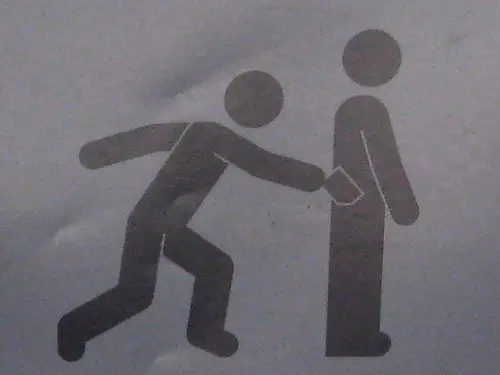
When visiting Athens I would urge everyone to use the Metro. It’s clean, it’s cheap at €1.40 per 90 minute train ride but I would urge everyone to keep hold of their valuables. As with any city, pickpockets are rife and there’s a great guide here that offers advice about Defeating the Pick Pockets.
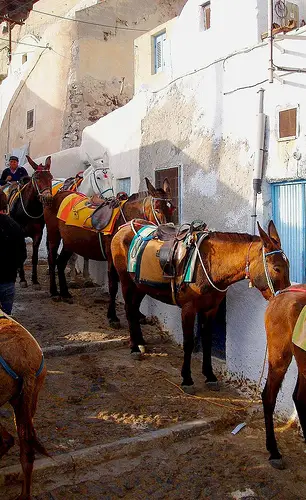
Tips for travelling in Greece: Don’t ride the donkeys
Donkeys, along with olive trees and blue seas, are a part of every day Greek life, let’s face it. But there’s been much in the news of late about how cruel it is to actually ride the donkeys.
Take Santorini as an example: From the port, where not only the ferries dock but also numerous cruise ships, up to the caldera is a very steep climb, so many people use the donkeys that are lined up. But there’s a cable car now – so there’s no need to this. There’s an article here about Tourists over 100kg no longer allowed to do this, sparking, quite frankly, a ridiculous debate about how this is discriminatory towards ‘large’ people and ‘who are they to make dispersions about weight?’ Well, it’s not about your weight, it’s about whether the animals are being treated fairly…we all know why you shouldn’t ride elephants in Thailand…now this has been exposed then we should also think twice about the riding of donkeys.
Tips for travelling to Greece – Recommended reading
I have helped to create a Greece’s Best Travel App – a Greece guide to fit in the palm of your hand with Android, iPhone or iPad. Great for learning about Greece on the move.
Naturally, I’d also recommend reading my novel ‘Girl Gone Greek’ to help you gain a more humorous, tongue in cheek look at Greek every day life.
What has your experience of Greek culture been? Share in the comments. And if you’re interested in looking further afield and learning about Cultural faux pas around the world, you might like the collaboration post I wrote (click the blue link above) with a bunch of very talented and experienced bloggers.
Back in 2008, on a whim I decided to hop on a plane and go to Winnipeg. Yes—you did read that …on a whim I went to Winnipeg, Manitoba, Canada.
“Why? What’s in Manitoba?
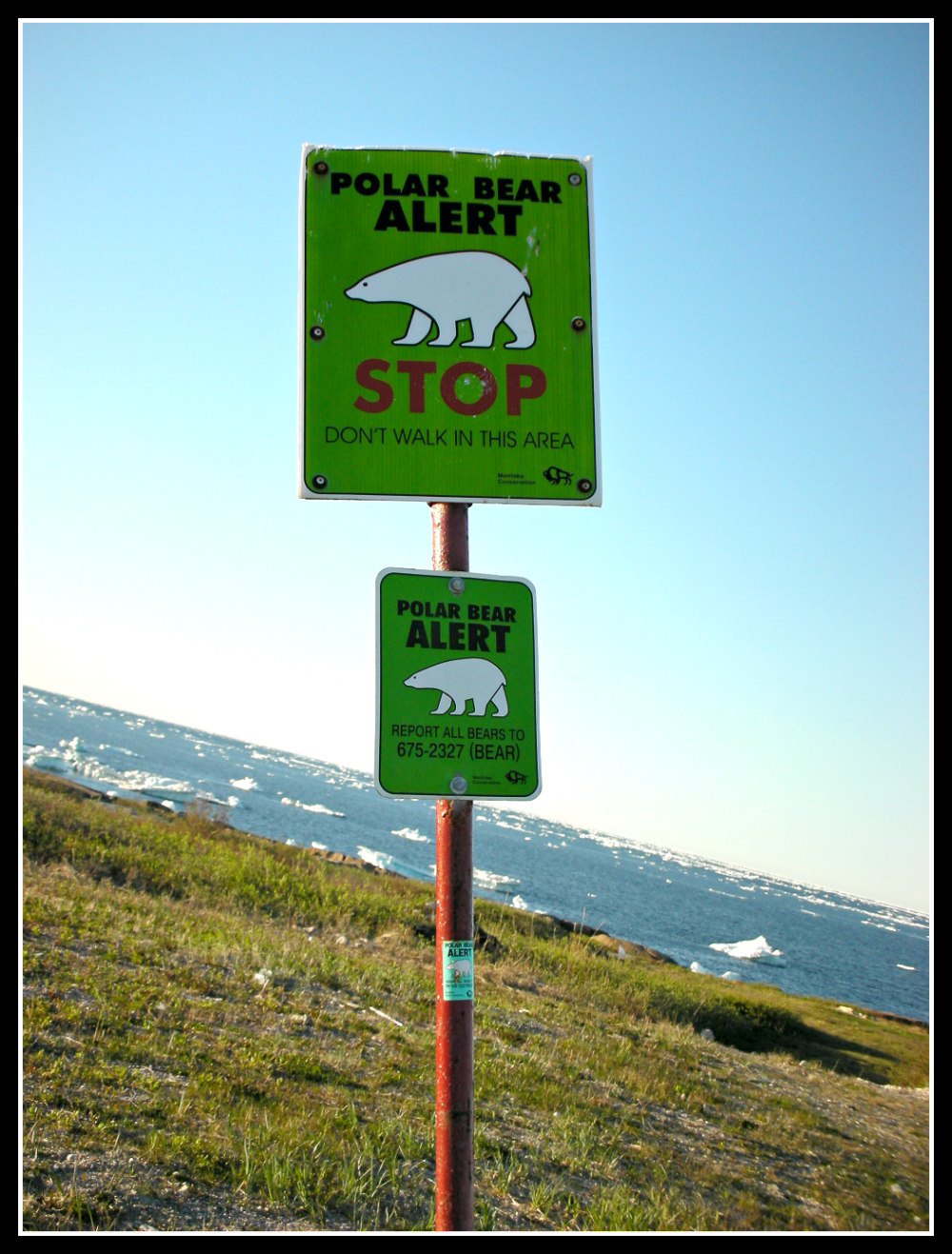
Winnipeg isn’t really the sort of place you go on a whim. New York, Las Vegas – yes. My friend lives there and as well as being home to the original Winnie-the-Pooh, I knew it was also the base for the VIA rail journey to visit Churchill and dapple in my other passion: Polar Bear spotting.
You see, Churchill is on the edge of the Hudson Bay and is the Polar Bear Capital of the World, so Churchill polar bear spotting is word renowned.
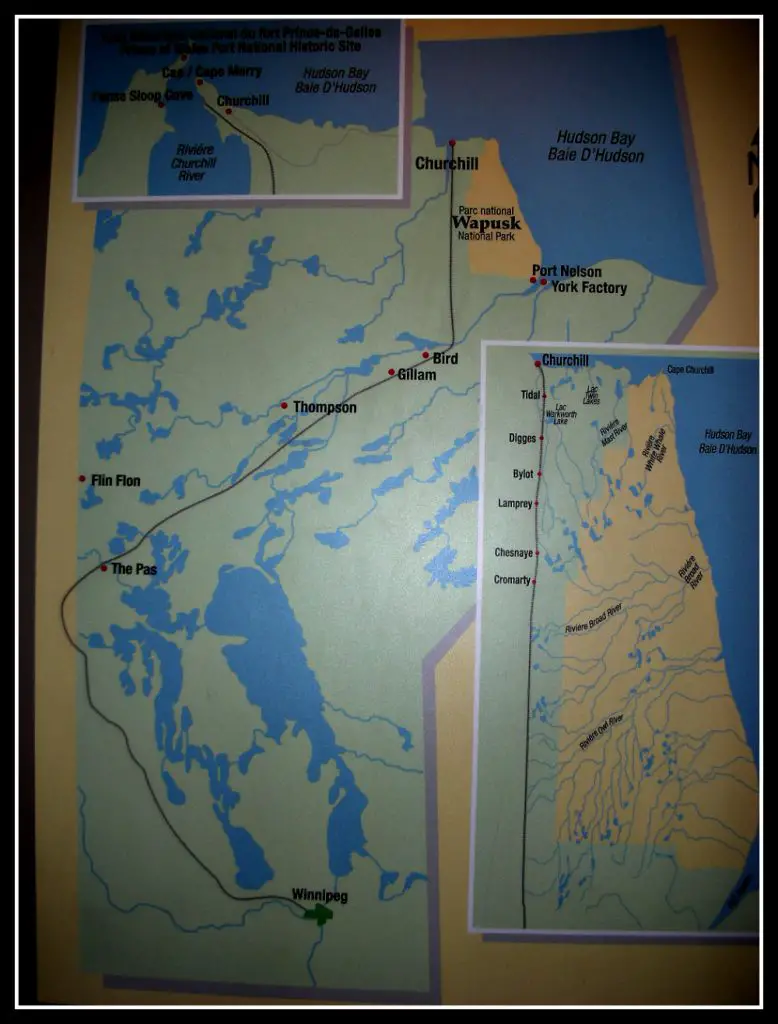
We hopped onto VIA rail and wended our way up to Churchill – 4 days three nights in total and approx 1697km.
Winnipeg to Churchill, Canada – the route on VIA Rail
I have to be honest, prairie land isn’t the most spectacular of scenery and the endless landscape of flat, flat, flat became somewhat repetitive after a while, but I was excited about my final destination.
View from VIA Rail carriage from Winnipeg to Churchill, Manitoba, Canada
Churchill polar bears – arrival in Churchill
I didn’t know what to expect really. It looked like a quaint old ‘Wild West’ town, but much farther north, not as hot and in the wrong country. We’d travelled in June and being that far north, it didn’t get dark until about 11pm.
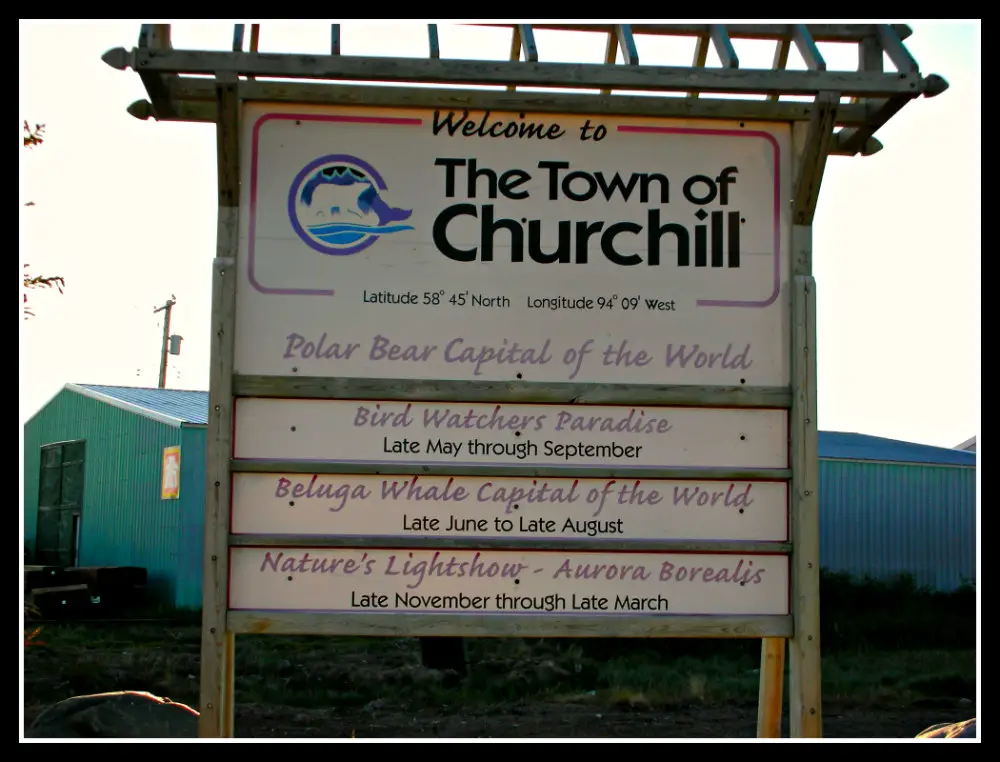
Welcome to the Town of Churchill, Manitoba, Canada
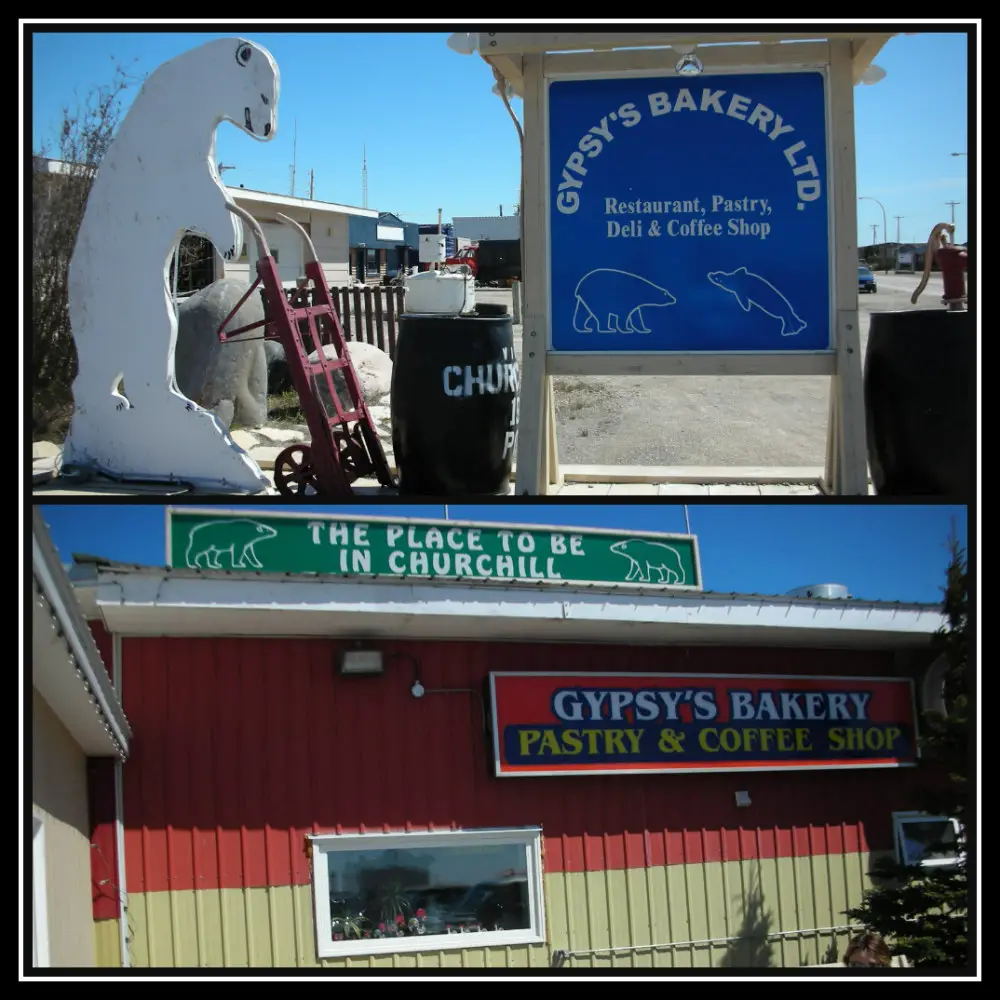
We took a slow walk through the town, ohhhhhing and ahhhhing at the shops—did I say ‘shops’ plural? I mean ‘shop.’ Then we found Gypsy’s Bakery, “THE place to be in Churchill.” Kicking back in the warm June sunlight (we’d left Winnipeg in temperatures of approx 35 degrees C. Winnipeg is exceedingly hot in the summer, and bloody cold in the winter), we debated whether the rough, ready and rugged looking man who sold us the muffin was attractive in his apron. We concluded that this was why Gypsy’s Bakery is THE place to be.
Gypsy’s Bakery – Churchill, Manitoba, Canada
Churchill Polar Bears: Where to stay
There are several B&B’s in Churchill and we had pre-booked to stay at Bluesky Bed and Sled. Hosts Gerald and his partner Jennifer run a beautiful B&B, plus in the winter run dog sledding tours.
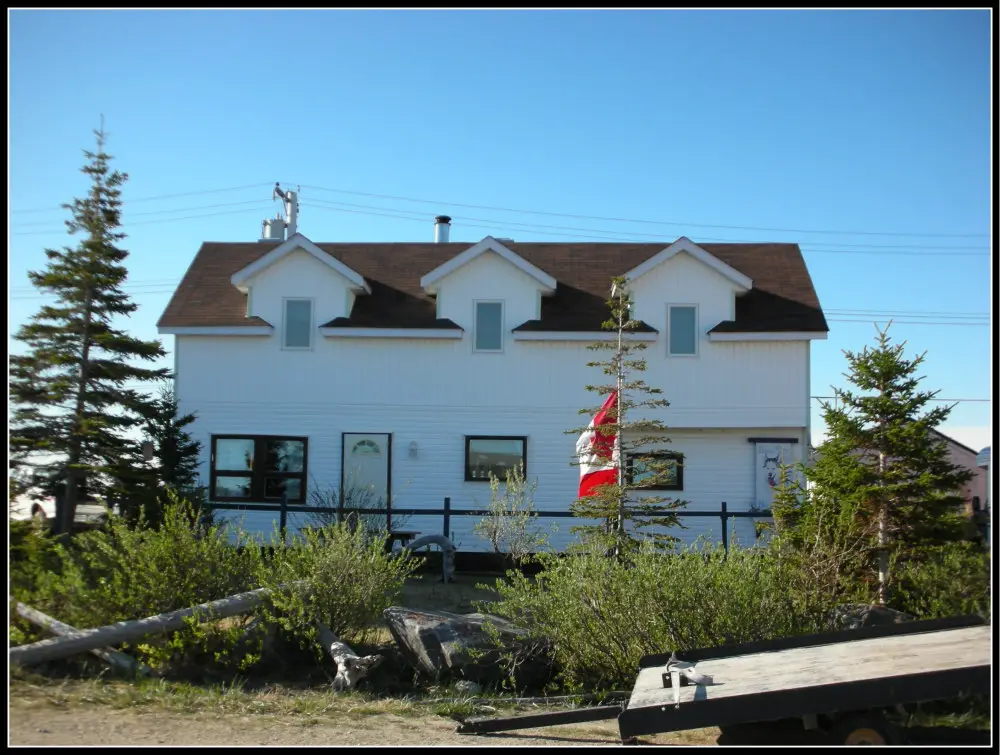
Blue Sky B&B – Churchill, Manitoba, Canada
“How about a walk onto the dunes?” Gerald offered.
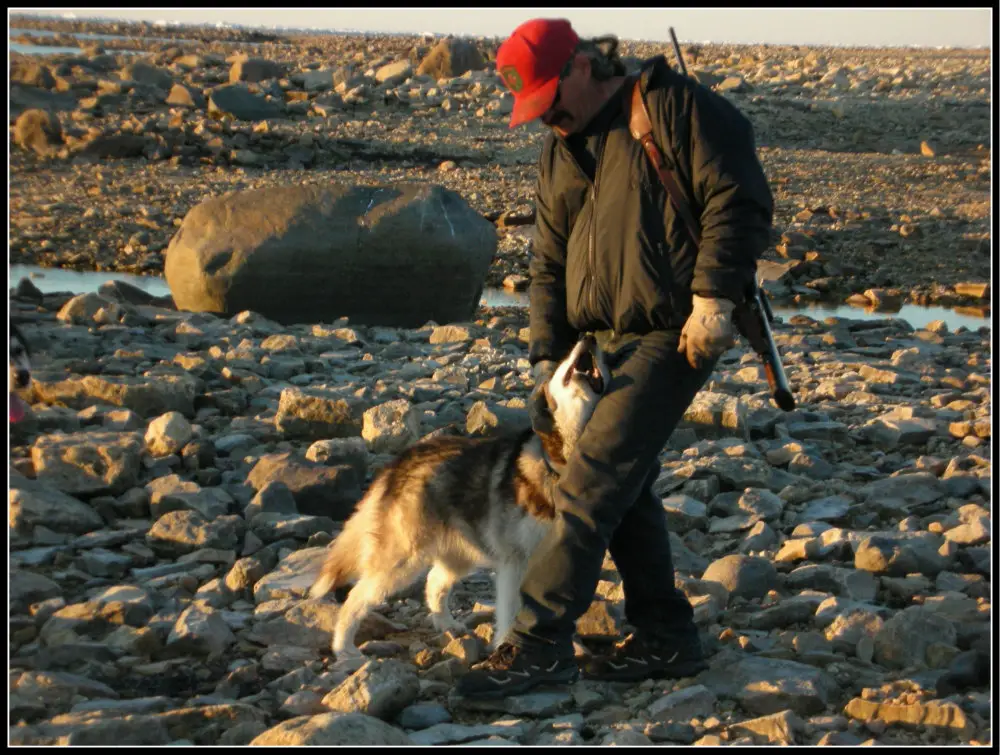
Well, a ‘walk’ turned out to be a ride on the dune buggies—with his ever faithful tame house huskies, Thunder & blind Isobel – yes, blind. A beautiful animal, you can read more about her on their site (link given above). With his gun by his side, Gerald caught me eyeballing it nervously:
Walking amongst the dunes in Churchill, Manitoba, Canada
“To frighten off the polar bears if they approach. Us humans have encroached on their land, so they wander nearer and nearer town as the years go by and their food gets scarcer.”
A siren sounded—Gerald pointed his finger in the air, looking up expectantly. And as if on cue, a howl set off, followed by another, then another until, you’ve guessed it, it was as if the whole dog population of Churchill were howling.
“10 o’clock howl – time for curfew”
“You’re kidding?”
“Nope—we have to be inside by 10pm, case of them bears.”
And so we made our way back—me a little more watchful and wary now—and snuggled up on the sofa with the dogs, hot chocolate, home-made cookies and rug. Yes, night time in June that far north can still get chilly.
Boy did I sleep well.
Polar bear spotting – Churchill, Manitoba
Did we see polar bears? Alas no, I think winter is possibly the best time to see them—or book one of the many trips that go out onto the tundra proper. We did go on a beluga whale trip though—that was fun.
There are several companies who offer polar bear and nature tours – Travel Manitoba being one of them
Beware beware the polar bear!
I loved Churchill—and I’d go back again in a shot. It’s worth the train journey. I love sleeping on trains and besides, where else is there a polar bear capital of the world?
Have you been to Churchill and actually encountered polar bears, not in their polar jail– a specialist holding facility for bears who wander too far into human habitat and pose a threat are housed until they’re released. It sounds a horrible place, but before this was built (in 1983), they used to be shot.
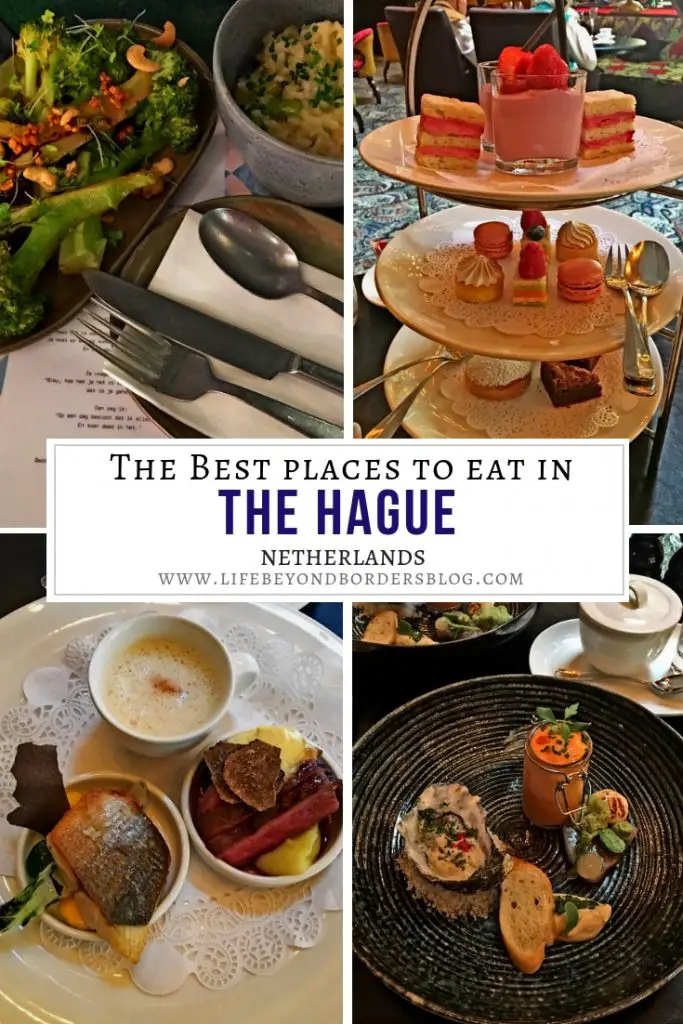
We’ve seen that there are things to do in The Hague, Netherlands beyond politics and we’ve also seen what it’s like visiting the Peace Palace in The Hague. I decided to compile a post about some of the places I visited to sample the local gastronomy, even some of the coffee shops (no, not THOSE kind of coffee shops) as living in Greece, I love frequenting such places when in another European city. So let’s look at some of best places to eat in the Hague, where and what to eat.
Places to eat in The Hague – Coffee Shops
The Bookstore
I love the website of Wanderlusting K. She’s a U.S. native but expat in The Hague and is therefore an expert, knowing especially what it is a visitor would want to know as she can empathise and see it from a visitor’s viewpoint, pick up on the nuances.
This post of hers goes into a little detail about the history of coffee and the Netherlands – about how, actually, the West owes its coffee addiction to the Dutch because in the 1600’s, a Dutch trader stole some coffee seedlings and brought them back to Amsterdam, hence introducing the ‘western world’ to coffee. She also lists some excellent cafes to frequent when you visit this part of the Netherlands.
Where to Eat in The Hague-Netherlands
One of my favourites was The Bookstore Cafe. An historic building in an historic neighbourhood surrounded by embassies and near the Government building, it is, as you’ve probably guessed, a cafe and bookshop in one. I ordered a lovely smashed avocado on white bread (which seems to be a staple diet in The Netherlands) and took a seat out back as the day was sunny and warm. Vintage furnishings await you, large leather couches and scatter cushions and take as much time to browse the books (it does have an English section too). Bonus: the wi-fi is excellent, so if you want to work, you can.
Cafe Blossom
I loved this place not least because it was handily around the corner from the Peace Palace. I spent a good hour relaxing here before my tour of the Palace – and it’s also handily located for the Museum Mesdag.
More smashed avocado toast awaits, along with Afternoon Tea if you like. And there’s great meeting room space.
I admit, I didn’t get to actually eat in here because unfortunately they were closing by the time I got there. I feel it’s worth mentioning though, if not for its decor. You see, being an international destination, The Hague has many different restaurants and cafes, catering to many tastes. Scallywags offers good old British fry ups, cream teas and the like. Plus its decor, as I say, is out of this world! Hand painted pictures of the Royal Family adorn the walls – even if you’re not necessarily a fan, you can’t help but marvel at the drawings.
Handpainted Royal Family paintings at Scallywags, The Hague, Netherlands
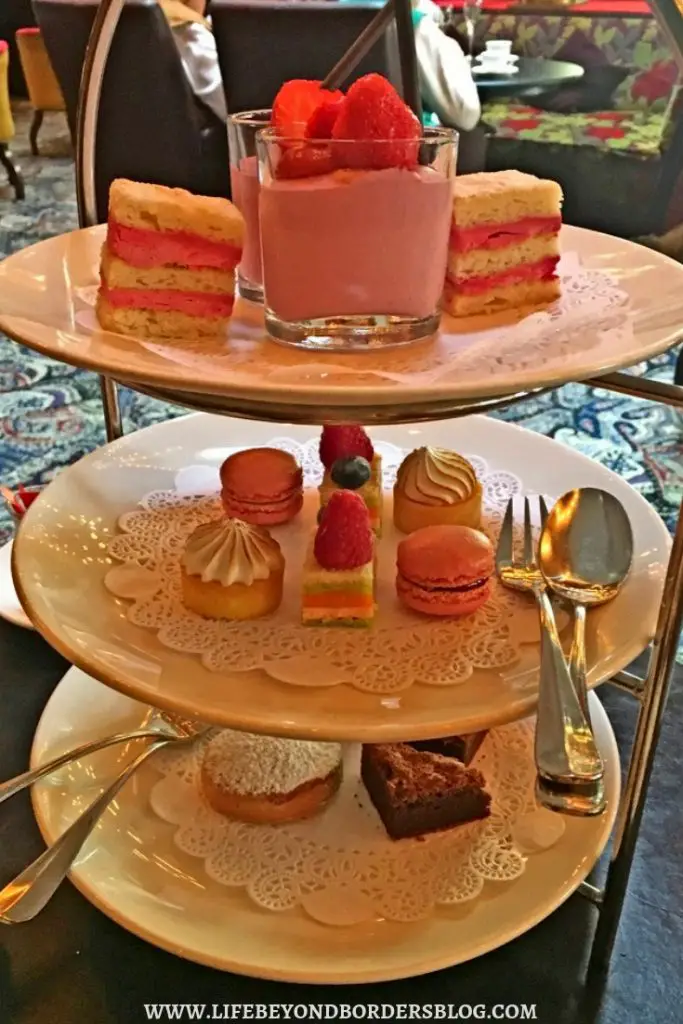
Best Places to eat in The Hague – Afternoon Tea
Hotel Des Indes
If it’s luxury you’re after, then head to Hotel Des Indes. Now part of the Starwood group, it has a long and luxurious history. It’s tucked away in the ‘posh’ district, where a lot of the embassies have their residencies. It was built in 1881 to host aristocrats and Heads of States, so as a result, you can imagine the opulence.
It has 92 rooms and decor includes intricately designed plasterwork in the ceilings, long drapes, rich carpets – but be prepared for a ‘traditional’ experience ie: it’s quite sombre in colour, in fitting with the seriousness of the clientele.
Hotel Des Indes Interior – The Hague – Netherlands
I was fortunate enough to be treated to an Afternoon Tea experience with The Hague’s Convention Bureau’s City Host – an affable and informative young man with a wealth of experience and knowledge about The Hague and the hotel itself.
We sat and I enjoyed a wonderful 4 course experience: three savoury and one cake tier at the end with desserts.
High Tea Dessert at Hotel Des Indes – Best Places to Eat in The Hague, Netherlands
Expect different types of tea, shellfish, a variety of luxurious sandwiches – all served in small, manageable portions – so don’t worry if you feel you can’t eat everything.
Savoury dishes of High Tea at Hotel Des Indes – The Hague – Netherlands
Best Places to eat in The Hague – Restaurants
Bleyenberg
Bleyenberg Restaurant – The Hague – Netherlands
Located very centrally, right by the Grote Markt in town (literally translating to Main Market square) and opposite the Metro stop, sits Bleyenberg. It’s a restaurant with roof terrace – the first in The Hague, coffee and cocktail bar, nightclub and meeting spaces. I had the opportunity to sample their cuisine and chose two appetisers of risotto with asparagus and grilled broccoli with cashew nuts, garlic and lemon. I topped it off with a dark chocolate pie with passion fruit foam and mango (my mouth’s watering at the memory).
You can see, therefore, the menu’s quite contemporary.
I’ll be honest: whilst the food’s excellent, I found the layout a bit too open plan for me. When I’m dining, I like to have privacy and not be exposed in the middle of the room – even if people are more than likely buried in their mobile phones. The bar’s a square in the centre of the room, then the open plan kitchen can be viewed along the back wall.
As I say: great food, maybe lacking a little in privacy.
Bleyenberg Dinner and Dessert – The Hague – Netherlands
Best Places to eat in The Hague – fries!
Now we come to one of my random favourites:
I’d heard from somewhere that a favourite in the Netherlands is chips (fries) and mayonnaise. I love eating that anyway, so what better place than to eat them in their country of origin? (The Belgians might disagree with me, but never mind).
Friet District
It’s pretty centrally located and also near the Peace Palace, making this take out/sleek cafe place a great place for office workers and tourists alike to come. There’s more than chips on their menu – hot dogs, hamburgers, chicken burgers, cheese croquettes, for example. But I was there for the chips. And I chose three different mayonnaises to trial out: truffle (my favourite), citroen (with a hint of lemon) and just straight mayonnaise, but somehow this was creamier than the ones I’ve had in the past.
It was opened by Michelin star chef Niven Kunz.
Sitting on the pavement chairs, I loved knowing that I was effectively eating Michelin star chips and mayonnaise!
Friet District chips and mayonnaise
What’s your favourite Dutch dish – and where did you eat it?
**My trip was arranged for me by Oporto Tours, specialists in this region, in order for me to research for Rough Guides. Despite any complimentary services received, all thoughts and opinions remain my own**
When anyone asks me what springs to mind when they say “Portugal”, I think of a country attached to Spain in Western Europe (that looks like a man with a beard) that’s popular because of its beaches. So imagine my joy when I was asked to go and research Northern Portugal on behalf of Rough Guides. Part of my research entailed visiting Peneda Gerês National Park – and this proved to me that Portugal was more than just sun, sea and beaches.
Peneda Gerês National Park in Portugal
It’s the only National Park in Portugal and offers 271 sq miles of nature, tiny traditional agricultural villages, slightly larger spa towns (the town of Geres itself) and nature that is out of this world: waterfalls, sweeping vistas and the most amazing views ever. It’s located in the northern Portugal and extends to the Spanish border of Galacia. I honestly felt as if I was stepping back in time.
Just a selection of what you can expect to find when you visit Geres National Park in North Portugal
Getting to Peneda Gerês National Park
It’s about a 1 hr 20 min drive from Porto, making Geres a perfect day trip – it is possible to get a bus from Porto to one of the main towns just outside the park (i.e.; Porto – Ponte de Barca or to Braga (all major towns in the Minho region), but from there, you then have to get a very infrequent bus to one of the villages in the park such as Soajo or Lindoso (these towns in the centre of the park) or to Geres in the south of the park.
How about hiring a car then? Well, you could. As I said, it’s really not very far from Porto once you’re on the efficient highway, but instead of relying on GPS and the suspension of your rental (I suggest you hire a four-wheeled drive), why not go on an organised tour?
I was lucky. As I had a lot of research to do, I was appointed a private tour guide for three days with Oporto Adventure Tours. They are a local company based in Porto and have knowledgable guides and can offer group tours (starting from €85 – one day tour including pick up and drop off from your accommodation in Porto, lunch and only a minimum of two people) or private and tailor made tours for longer. I was very glad I did. I would have had no idea the significance of what I was seeing and not paid attention to half the things I saw had I not had the very amiable Rui – a rather Che Guevara look alike (in the nicest possible way) whose knowledge of the area was phenomenal. We drove for hours, seeing this and that and he knew every point about the park, as if it was where he lived year round.
Oporto Adventure Tours – Geres National Park
Waterfalls, Cows and Espigueiros in Peneda Gerês National Park Portugal
The park has a phenomenal amount of dams and natural springs, so waterfalls crop up here and there along the roads. My favourite was known locally as ‘Tahiti Waterfalls’ by the locals. It’s easy to see why it reminds them of what Tahiti must look like. In the summer, it gets crowded with locals and people from Porto coming to swim and relax for the day.
“Tahiti” waterfalls in Geres National Park
The cows are endemic to this region and can be found ambling along the side of the road, or indeed in the road, quite content not to move until you have to nudge them very gently with your 4×4. Or in the small paddocks belonging to the farmers.
Local cows – Geres National Park
Now the espigueiros are another thing endemic to Portugal: big granite medieval stone grain dryers that are risen off the ground to keep vermin away from the grains, with crosses on top to protect the harvest from bad omens. To me, with my overactive imagination, they look a little like tombs – what do you think?
Espigueiros – or medieval grain storage in Geres National Park
Espigueiros – medieval grain storage in Peneda Gerês National Park. A perfect day trip from Porto Portugal
Accommodation in Peneda Gerês National Park Portugal
A photo posted by Rebecca Hall – Travel Writer (@beyondbex) on
From converted monasteries (now a luxury boutique accommodation) to simple B&B’s to small ecological cabins in the woods (with all modern comforts), there is such a wide choice that can be found out here to suite everybody’s budget. My favourite was Sobrenatura – three converted storehouses of various kinds, back when the place was run as a farm, in the tiny, tiny village of Gração. It has solar energy but also wi-fi – and look at my breakfast view.
My SobraNatura accommodation, with views in the morning at Geres National Park. How can you not relax?
So if you’re spending any time at all in Northern Portugal, or plan a trip to Porto, I really suggest taking some extra time to spend three or four days exploring the region of Geres National Park (longer if you can). It’s like stepping back in time and, at the time of writing, is as yet undiscovered to mass tourism…making it a perfect escape.
PIN for later
Explore Geres National Park in Northern Portugal – Life Beyond Borders. Parque nacional de Peneda-Gerês” (CC BY 2.0) by Gaby /
Let’s not forget that politics is, indeed, what The Hague is famous for. One of the main highlights of a trip to The Hague is a visit to the Peace Palace and indeed, even if Politics isn’t your thing, The Peace Palace is a must visit for its landscaped gardens and architecture.
Let’s take a look at what it’s like, visiting the Peace Palace in The Hague.
The Peace Palace in the Hague: what is it?
History
It’s known as a temple of peace and justice. Czar Nicolas II was keen, due to seeing the continent of Europe ravaged by wars and how this effected economies and society, to organise an international peace conference.
The first Hague Peace Conference happened in 1899 where 26 countries came together to talk about disarmament and the possibility of international jurisdiction; where a court or other organisation listens to and determines matters between different countries, persons of different countries or foreign states.
A second peace conference was held in 1907 where 44 countries took part.
More about the fascinating history of why the Peace Palace and conferences came about can be readhere.
Visiting the Peace Palace in The Hague, Netherlands
Today, the Peace Palace houses the International Court of Justice – an organisation that helps to settle legal disputes between member states and is the principle law court of the United Nations, the Permanent Court of Arbitration – an intergovernmental organisation that helps to arbitrate in tribunal disputes between member nations and the Peace Palace Library with tombs relating to international law for students to use.
You may have heard of war criminals being tried at the International Court of Justice. Some of the International Court of Justice cases can be seen here – including Australia and New Zealand taking Japan to court over whaling in the Antarctic. It’s a fascinating list of cases; some closed, some unsolved and some ongoing and helps when a neutral stance is needed.
Peace Palace in the Hague: The building
In the eight years between the two conferences, an impressive building had to be constructed in order to house the main organisations.
In order to encourage interest in the project, an international competition was put forward and approx. 216 architects took part. French Architect Louis Cordonnier won with an architectural design reminiscent of the late Middle Ages.
In the second 1907 Peace Conference, all 44 attending countries were called upon to donate building materials and artwork to represent their country’s commitment to peace. This can be seen today throughout the magnificent building and presents continue to be donated. For example, wall tapestries from Japan (in 1913), a Bust of Ghandi from India (in 1952) and the Throne of Minos from Greece (in 1913).
As you wander through the building, it’s possible to see these gifts located in the various rooms throughout.
Be sure to scan through the Instagram images of the Peace Palace above.
A visit to the Peace Palace – breathtaking
I was very fortunate to have a private tour organised during my visit. Because it is a working organisation, entry into the building is dependent on whether there is a sitting session in the International Court of Justice or the Court of Arbitration.
There’s a strict security procedure – similar to that of going through airport security – for obvious reasons.
I was given a Visitors Pass and met my guide who escorted me for my Justice tour through the Peace Palace Gardens (trees and small shrubs abound in order to let in natural light and pond – all adding to the elements of creating peaceful surroundings) to the entrance. She paused for a second before entering, and when we did, it literally took my breath away.
Magnificent entrance to the Peace Palace – The Hague, Netherlands
My guide smiled knowingly and we didn’t speak for a couple of minutes. I literally had to close my mouth (I’m not kidding). Nothing can prepare you for what you’ll see when you enter (maybe the photos here can do it some justice).
As we wandered through the hallways, it felt only polite and respectful to whisper. I didn’t want to speak loudly in it – the building somehow feels as if it’s alive, and almost radiates ‘peace’. After all, wasn’t that what it was designed for?
Entering the International Court of Justice room felt honourable…the place where so many scenes of trials had and continue to take place. Some rooms were out of bounds as they were preparing for a trial…lending to the feeling privilege of being able to enter the Palace.
Visiting the Peace Palace in the Hague – facts
Group sizes of no more than 20 for tours
Weekends/Christmas is a better time to visit as less likely for a court sitting
A tour of approx. 45 minutes will take you into as many rooms as possible – including the Library – tickets cost €11
You need ID such as passport or EU ID card to go through security and enter
Garden tours in the summer last 60 minutes and cost €7.50, children up to 10 free
There’s so much more to the Peace Palace, such as its link to the CarnegieFoundation and origins with Andrew Carnegie, the philanthropist born into a very working class background in Scotland (1835) but made his millions in the U.S. and who viewed science, education and peace as vital to societal progress and who donated money to this cause.
Come and be inspired by this building, or just feel ‘at peace’, literally.
PIN for later
Why You Should Visit Peace Palace – The Hague, Netherlands
Being based in Greece, I am blessed with a choice of islands. And so I decided one summer night I would go to Piraeus, where most of the ferries depart from to the islands, and see where I end up. Being August and being Greece, I knew I could pack light.
See my Greek Island All Round Packing List for some tips and ideas about what to pack when you come to visit the Greek islands at any time of the year.
My Recommended Anti-Theft Travel Itemsis also a great post to give you tips and ideas of what to pack and what suitcases to use for travels to the Greek islands.
Deciding to take it all in my stride, I packed not even my smallest wheelie bag – I threw my bikini, towel, a couple of t-shirts, a dress that scrunches up, therefore travels really well, underwear plus toothbrush into my Hynes Eagle backpack. I arrived into Piraeus port at 4pm and wandered to the nearest ticket office.
Where does the next ferry go to?
Naxos at 6:30pm. That’ll be 31 Euros please.
(That’s one way folks, btw. Correct at time of writing).
Gulping slightly at the fare, I bit the bullet and though why not? So I purchased my ticket to Naxos – only a one way as I had no idea when I’d be returning – and headed to the monolithic ferry looming into view at Gate 7E, literally right opposite me.
Leaving Piraeus Port heading to Naxos
Naxos Greece: Things to do
Five hours later, I was in Naxos. Upon disembarking the ferry I spied the usual motley crew of accommodation owners seeking their next ‘victims.’ I recognised one of them, Nektarias. He’d looked after my sister & I in June 2010. I wandered up to him, tried in faltering Greek to explain I stayed at his place last year.
“Oh yes!” he threw a small punch on my arm, reached for my bag and threw it into the back of his van before I could ask his prices.
“You no worry about price – me fix you good price, no worry” he reassured me, in that way that is habitually Greek: worry later.
And he did. It was high season, don’t forget and I had a room with three beds in it, all to myself, for €30 a night. Albeit it was located in the basement with a small window, but it was HUGE, clean, a big bathroom with A/C and being located on the ground floor – very cool. It was only a 10 min walk to the beach – which was where I spent the next two days.
Beautiful hidden beaches of Naxos – Greece
Naxos, Greece – Things to do: hidden gems
In those two days, I received a back, neck and foot massage from some Chinese person trawling for business on the beach. It lasted a full hour and I was only charged €25.
The evenings were spend wandering around, taking photos of sunsets, being buffeted a little by the wind (yes, it was windy there with the ‘Etesian’, or ‘Meltemi’ winds) and I ended up staying three days in total – enough time to relax on the beach, travel inland to mountainous villages and generally do nothing.
Best Beaches to try on Naxos island
Agios Prokopios beach is 5.7km from Naxos Town, Agios Prokopios Beach is rated as Greece’s third best beach and among Europe’s top ten. It’s organised meaning it has umbrellas and sun beds with coarse sand and crystal clear waters from deep blue to turquoise.
Mikri Wigla beach is a quieter sandy beach, well protected from the northerly winds that can prevail in the summer months. Good for families and people wishing for a quieter beach experience.
Plaka Beach was a favourite for hippies back in the 60’s and 70’s and its golden sands stretch as far as the eye can see. Be aware of the pebbles as you enter the water, so you might want to bring sea shoes. It’s another organised beach with tavernas and sun beds – Plaka really does suit all tastes.
Sunset – Naxos harbour
Hidden inland villages of Naxos, Greece
Naxos churches
So try it – don’t book your airline ticket directly to an island, take a chance. Come to Athens, spend a couple of days looking at the sites and alternative tours, then head to Piraeus, see where the next available ferry takes you.
My novel’s been out since 2015 – but let’s have a look at the development of writing Girl Gone Greek.
Update: You may also follow my Girl Gone Greek websitefor more background information about the characters and how it’s been written into an award-winning film script.
Back in the summer of 2010 I was back in the UK visiting family. One lazy summer afternoon, I was dozing in bed. You know that halfway stage between sleep and being awake? Well, that’s the time for me when all my thoughts come together and I think random strangeness.
Except this time was a ‘Eureka!’ moment.
Why not start a novel about your experiences and travel in Greece? It’s nice you’ve got a blog, but why not push yourself that bit further? And people might be interested in the colourful characters you’ve experienced in the country
my inner voice was telling me. And so I (not quite) leapt out of bed, grabbed my laptop and started to randomly type.
Five years and a lot of blood, sweat, tears and laughter later, Girl Gone Greek was finally born. Her gestation period was a long time – but we had fun together. In fact, at times I didn’t want the fun to end…that’s why her development and final birth took five years.
How about buying something for yourself of loved ones when here? Then read my Best Souvenirs from Greece article to help you decide what to buy, apart from my novel, that is
The pain and process of writing Girl Gone Greek
But with the ups also come the downs. As Girl Gone Greek developed her own voice and personality, out came a lot of myself too. I found myself remembering past experiences that were quite painful for me and my book developed beyond just a ‘life in Greece’ novel. Writing became a cathartic process and I found ways to weave a positive out of the negative…even to turn it into humour.
Ithaca in 2012
I attended a Writer’s Retreat on the Greek island of Ithaca in 2012 with Homeric Writer’s Retreat and this further inspired me. The workshops, feedback on my book from Chuck Sambuchino of Writer’s Digest and these stunning views – who wouldn’t be inspired!
Who wouldn’t be inspired to write “Girl Gone Greek” with these views on Ithaca?
Girl Gone Greek – what inspired the title?
The title for my book came last, actually. I let her develop and grow, and knew a title would come to me. Then I remembered: Back in 2013 I was interviewed by online women’s magazine Girl Gone Internationalabout my life in Greece. I was a Girl Gone International – more specifically, I was a Girl who’d Gone Greek. I contacted the magazine and asked if they’d mind if I used this title. They were delighted and gave their blessing (follow Girl Gone International on Facebook).
I even had someone help me make a book trailer:
Girl Gone Greek: Self-publishing vs Agents
As with every ‘birth’ there’re ups and downs. The final push (Girl Gone Greek‘s equivalent of ‘crowning’) was trying to seek agent representation. Admittedly, I didn’t send to many as I knew deep down that I wanted to self-publish. Inevitably I was turned down by all agents I approached – so self-publishing on Kindle (for the digital) and CreateSpace (for the print copy) became the best option for me. Queue the ‘final push.’
Publishing tools: Bleeds, margins, The Greek Eye
I knew someone in Athens who was a professional typesetter – thank goodness for her! I could not have made the interior of my book look as professional as I consider it to look without her. You’ll see inside my book that sometimes, the chapters are divided up. My typesetter had the brilliant idea to design a Greek Eye to use as a symbol, instead of the usual asterisk or line. It looks great, even if I do say so myself.
Page bleeds, margins, InDesign (a version of Adobe that you typeset the book in, then convert to a PDF) – oh my goodness, what a learning curve! And THEN my poor baby had to be converted to digital format. Luckily Kelly at KMD Web Designs – for a very reasonable price – converted the file in the correct format for me, without loosing any of the lovely formatting from my print copy such as the eye, or any Greek lettering I’ve used throughout. And she did this in record time too.
Girl Gone Greek – based on the author’s life in Greece
Girl Gone Greek – the Book Cover
Simon Avery of I Do Book Covers designed the great cover for me – both print and digital copy at a discounted rate if you order the two together. I couldn’t decide what to go for – he made seven completely different designs for me to choose from, all were very clever…but I went for this simple one that screamed Greece to me and we added the finishing touch: the purple/pink bougainvillea (my favourite flower and colour).
Girl Gone Greek Book Cover to me screams Greece
I really hope you’re compelled to read Girl Gone Greek
The Dutch, it turns out, are very good at keeping secrets. The Hague is one of them. Most of you may have have heard of The Hague; that city in the Netherlands famous for its Peace Palace and central to European governance in one form or another, but have you actually heard of The Hague? Here I will show you another side – a look at things to do in the city beyond the politics, hopefully whet your appetite to visit a place in The Netherlands beyond the obvious tourist spots.
The Hague – off the beaten path in The Netherlands
The Hague – where is it?
It’s a city on the western coast of the Netherlands with a population of approx. more than one million. Many of these are expats relocated temporarily or permanently, including embassy staff as most foreign embassies are located here, including 150 international organisations including the International Court of Justice and International Criminal Court. It’s also seat to the Dutch parliament, government and Royal Court.
The best way to reach it is to fly into Amsterdam and then take a train (roughly one every half hour, sometimes more) from the train station located under Schipol airport. See here for train times and prices.
It’s also possible to fly to Rotterdam and take a train too, but Amsterdam is a bigger airport and may have more international connections.
Things to do in The Hague – Culture
The Hague has been described as ‘distinguished and cultured’ and certainly during my time there, I can see why it has this label: magnificent architecture, museums, canals…it has it all.
Mauritshuis Museum
The Mauritshuis Museum is housed in the former home of Count Johan Maurits van Nassau-Siegen, Governor of the Dutch colony in Brazil between 1636-1644 and instrumental in the slave trade, unfortunately. You can read more about him here. Since 1822 is has been used as a museum and extensively restored in 2012-2014 to extend the collections on show here.
The main pieces on show are from the collection of Prince William V and depict work by Dutch and Flemish artists from the Golden Age – a time in the history of the Netherlands roughly spanning the 17th century in which Dutch trade, science, military and art were among the most acclaimed in the world.
Various pieces have been donated over the years, one of the most famous is the Girl With The Pearl Earring by Vermeer – she’s not actually a person, but a ‘tronie’ – a painting of an imaginary figure. They depict a certain type or character; in this case a girl in exotic dress wearing an oriental turban and large pearl in her ear.
What I loved about the Mauritshuis Museum is its grandeur and I personally loved the Pearl Earring ‘tronie’ – a rival to the Mona Lisa in my opinion. Why? The crowds were much less, no-one pushing and shoving to get so close to the paintings in general.
Even if you’re not an art aficionado, I would suggest a visit to the Mauritshuis to appreciate the calm and the building’s architecture and magnificence, including the ceilings:
Entry fee €15.50 for adults, free if you are under the age of 19.
It’s open 7 days a week from 10am – 6pm, except Monday’s when it’s 1pm – 6pm.
Haagse Markt
Now for a completely different type of culture. Haagse Markt is one of the largest open air cultural markets in Europe. You can buy anything here: fruit, vegetables, washing machines, candy floss, hair accessories, underwear and bring your mobile phone to get fixed or unlocked, to name but a few stalls. It’s entry is free and it’s an easy tram ride away from the centre.
As I like to discover places not too touristy, it was an intriguing find. Warning: it gets extremely busy so look after your belongings, and if you’re a little claustrophobic, maybe go early morning or about half 4, a half hour before it closes.
Things to do in The Hague: The sea
As mentioned earlier, The Hague is a city by the sea and when the weather is good, one of the nicest things you can do is to travel down to Scheveningen, the area of The Hague that is by the sea. It’s Holland’s most famous seaside resort with long sandy beach, pier, paved esplanade and lighthouse. Remember though, it sits on the North Sea so don’t expect Mediterranean climates. It’s an interesting place to visit if you’re wanting to see an alternative side of the city and once again proves how eclectic The Hague is.
You can travel by tram from the city centre in only 15 minutes. There’s an abundance of activities for all the family: a ferris wheel on the pier, zip line, Sea Life centre or if the weather is good, simply enjoy the sand. You can read more about what to do at Scheveningen here.
Scheveningen reminded me a little of Bournemouth in the UK.
Things to do in The Hague: Travel to Scheveningen by canal boat from the centre
I elected to travel to the sea resort by canal boat from the centre and then back by tram. The family company of Willemsvaart welcomed me on board one of their open boats (so I’d suggest travelling in good weather or take a rain mac – they operate all year).
For only €10 for a trip that took just over an hour, it’s a lovely way to travel down to the sea and experience the different districts of The Haague with the houses and different architecture, the bridges and wildlife on the way.
A selection of canal shots from The Hague, Netherlands
Once you exit the boat, it’s a short walk to the coast – and a lovely way to spend a day.
Transport: Excellent. Efficient, on time, easy to use and cheap. The Hague Marketing Bureau – located in the centre of The Hague in the big library at Spui metro or tram stop – can provide you with metro and tram map. They also gave me two Day tickets worth €6.50 each and you tap in and out at a machine every time to enter and exit a train/tram.
If you’re staying longer, invest in an OV – Chipkaart. You buy the card and then top it up with money…a bit like a London Oyster card. Once again, you tap it in and out.
Hague Transport card options and Centraal Station
Money: Take CASH! This is my only real grumble about The Hague and it’s something I find very odd for an international place; most shops don’t take Visa or Mastercard Debit or Credit cards. So you either spend cash, or make sure your card is registered to Maestro.
A couple of much smaller eateries I visited (admittedly not in the real tourist centre) – didn’t even take cash…but by that time they had to make an exception for me because I had ordered and eaten my food.
Be prepared for this – it’s an oddity as I say as most countries in the world at least take Visa and/or Mastercard – but not The Hague. I think this will change though as their tourism grows as it is not like this in Amsterdam or Rotterdam. Overall, I thoroughly enjoyed The Hague as an alternative destination to visit, and I hope you are tempted to go too.

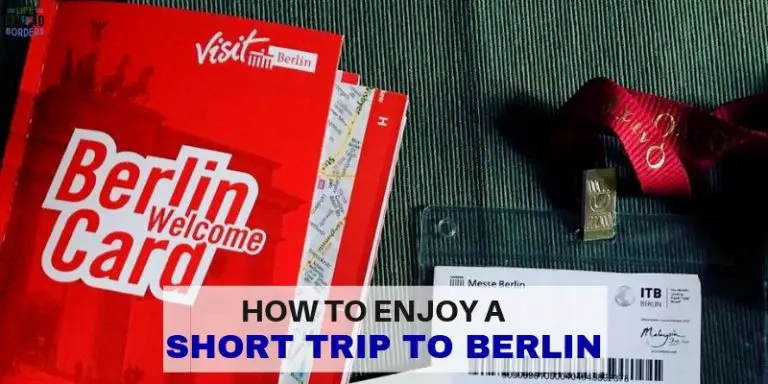

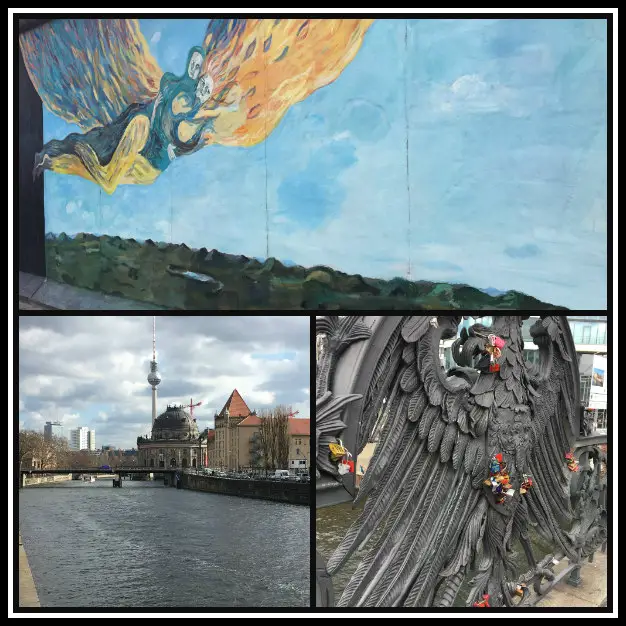
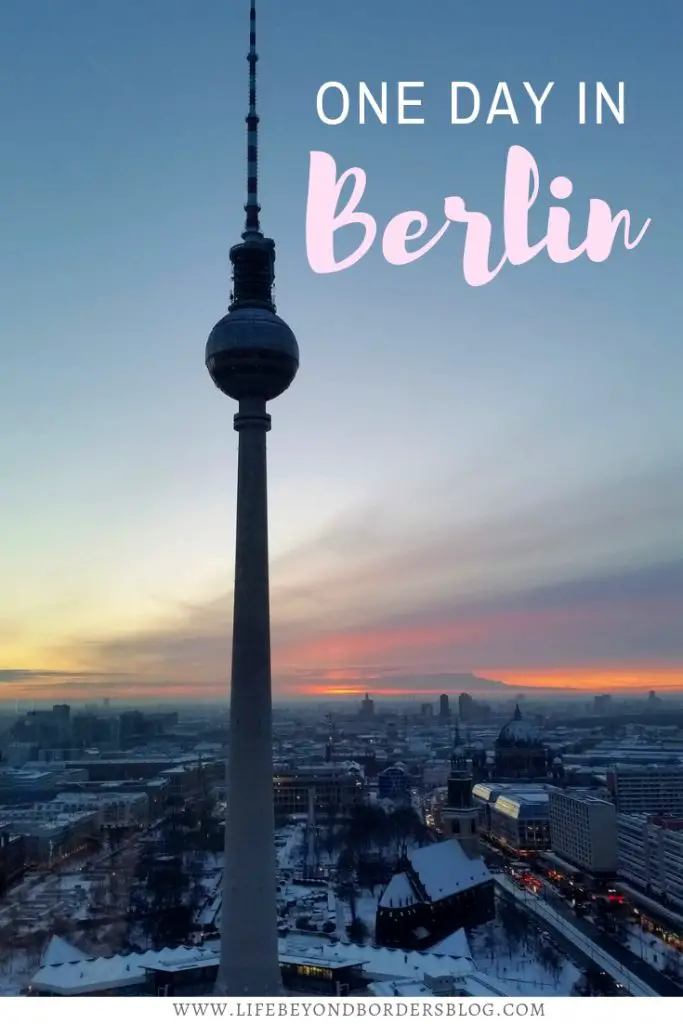

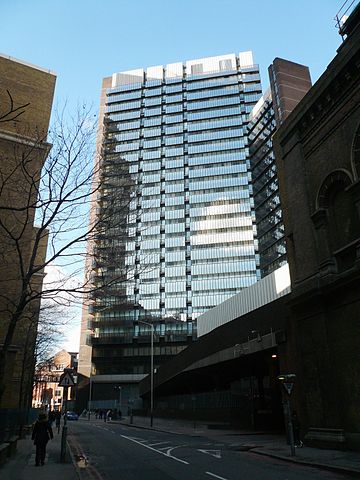
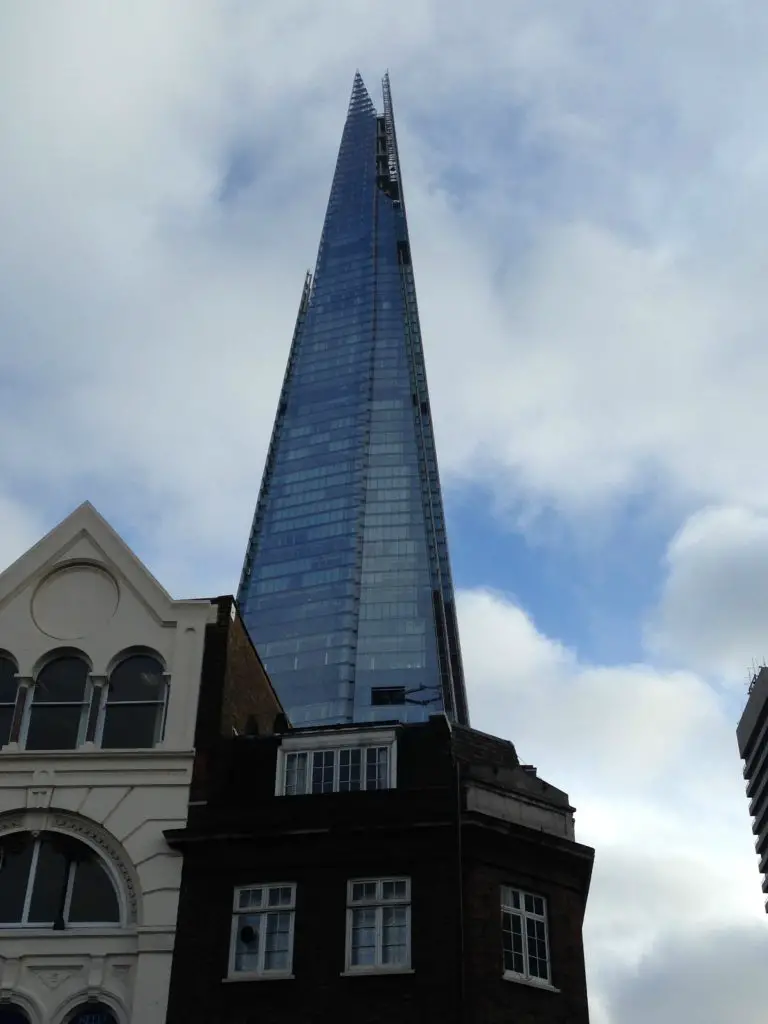
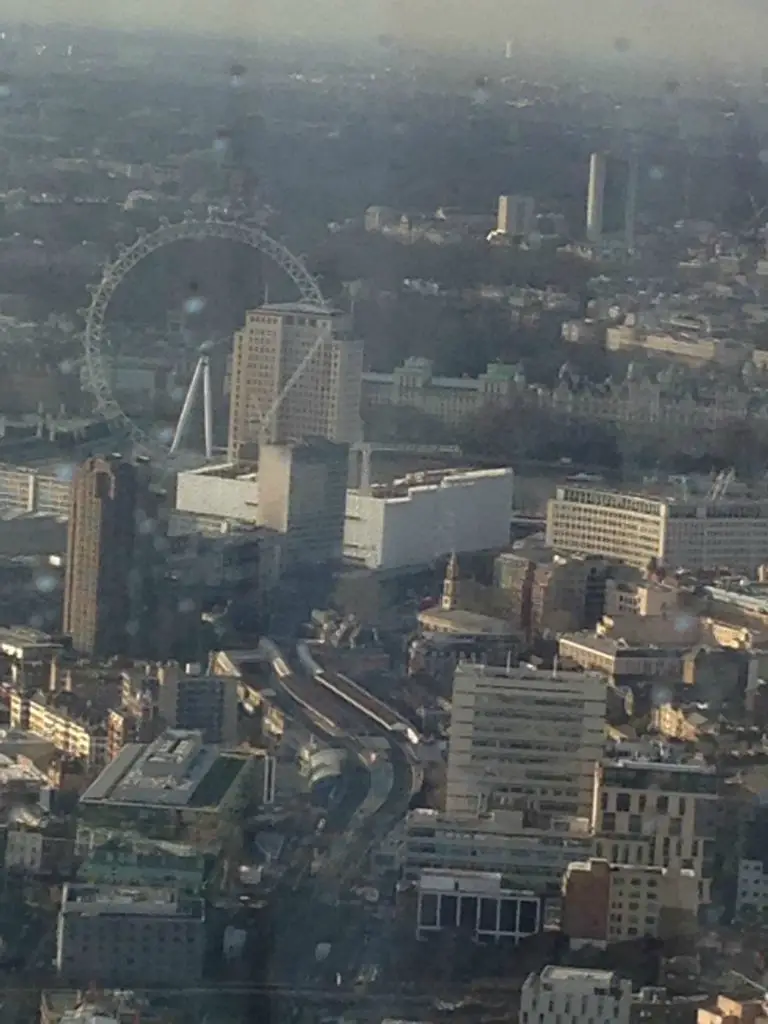
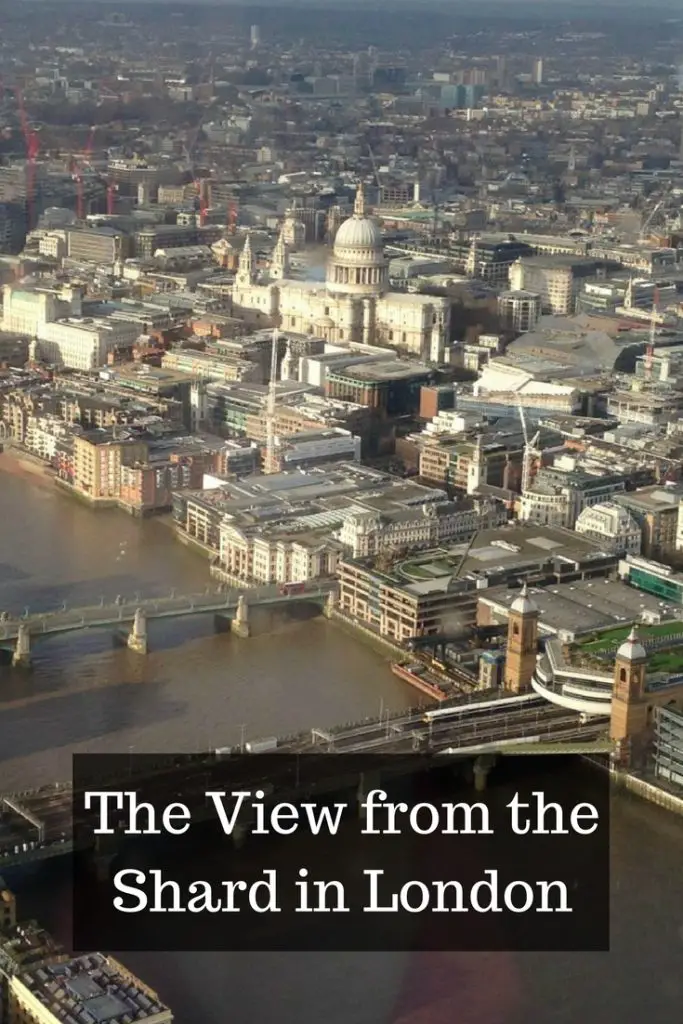



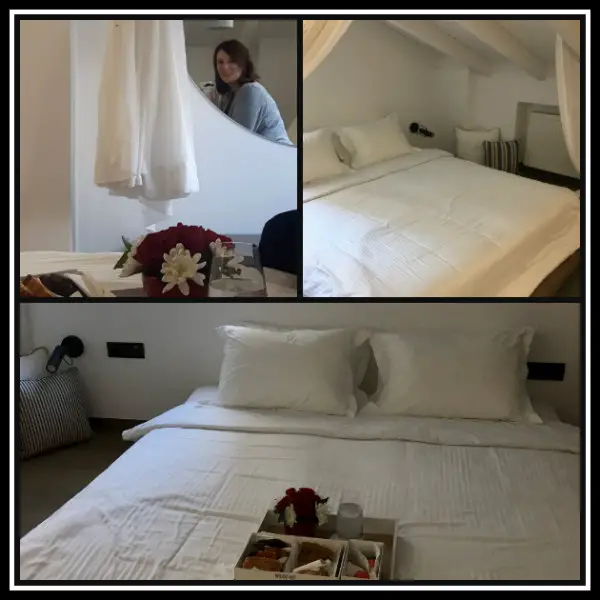
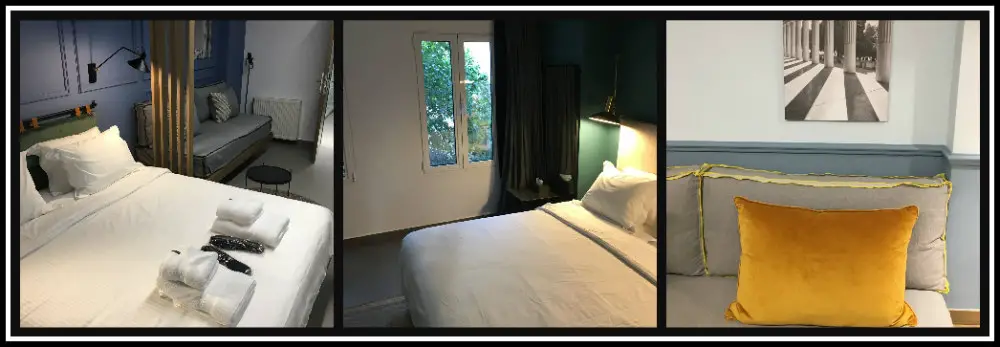
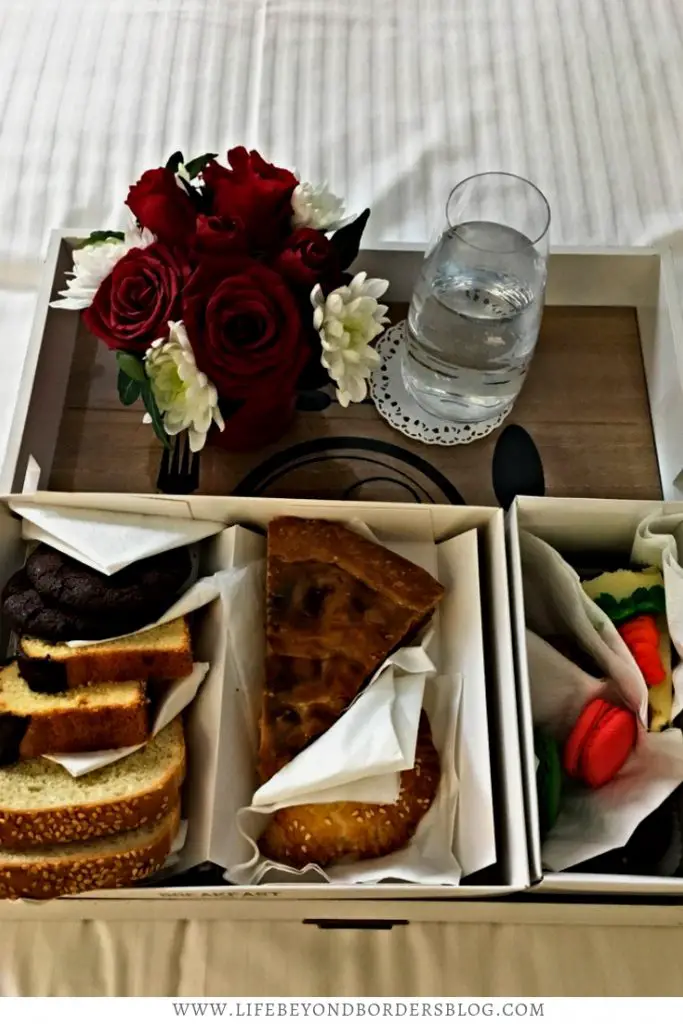
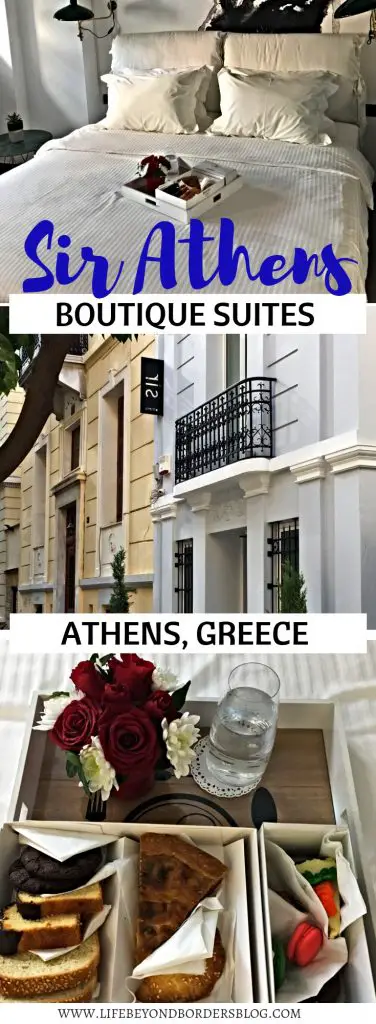


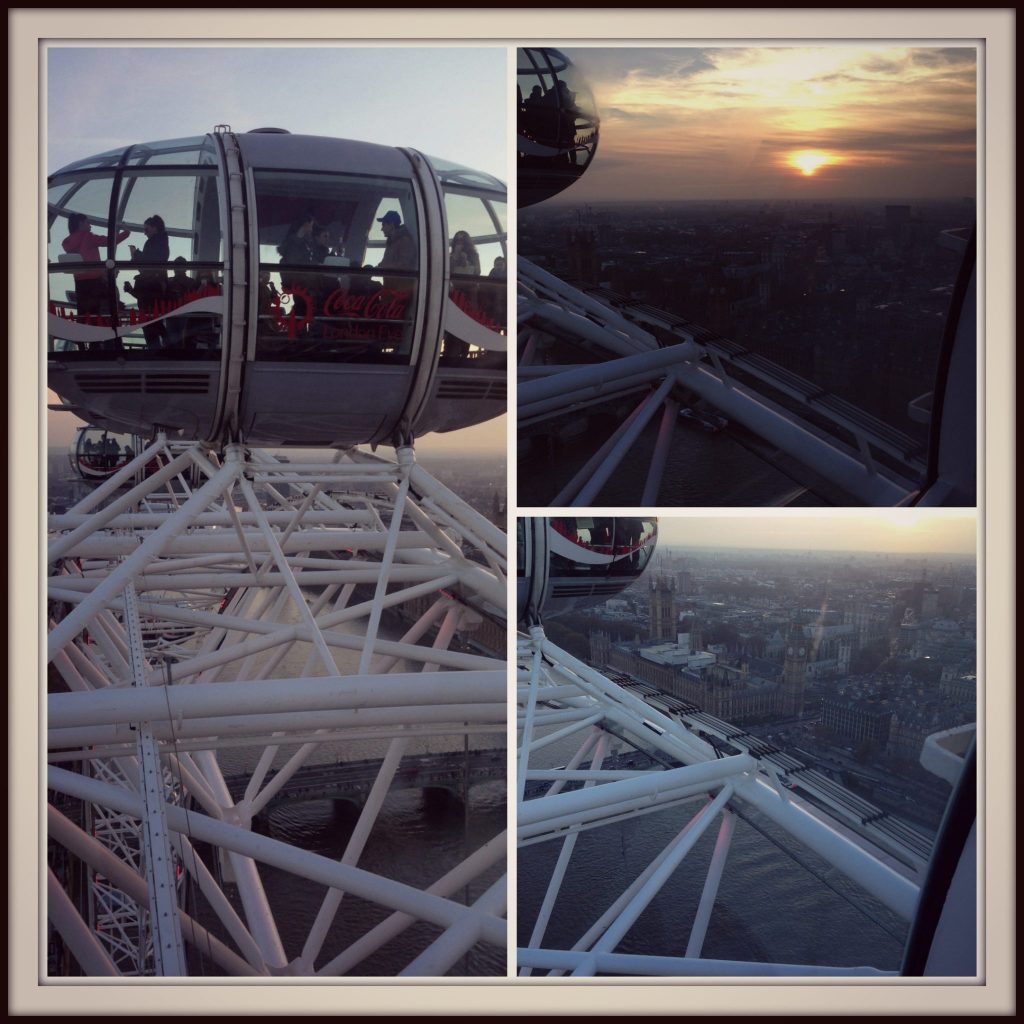
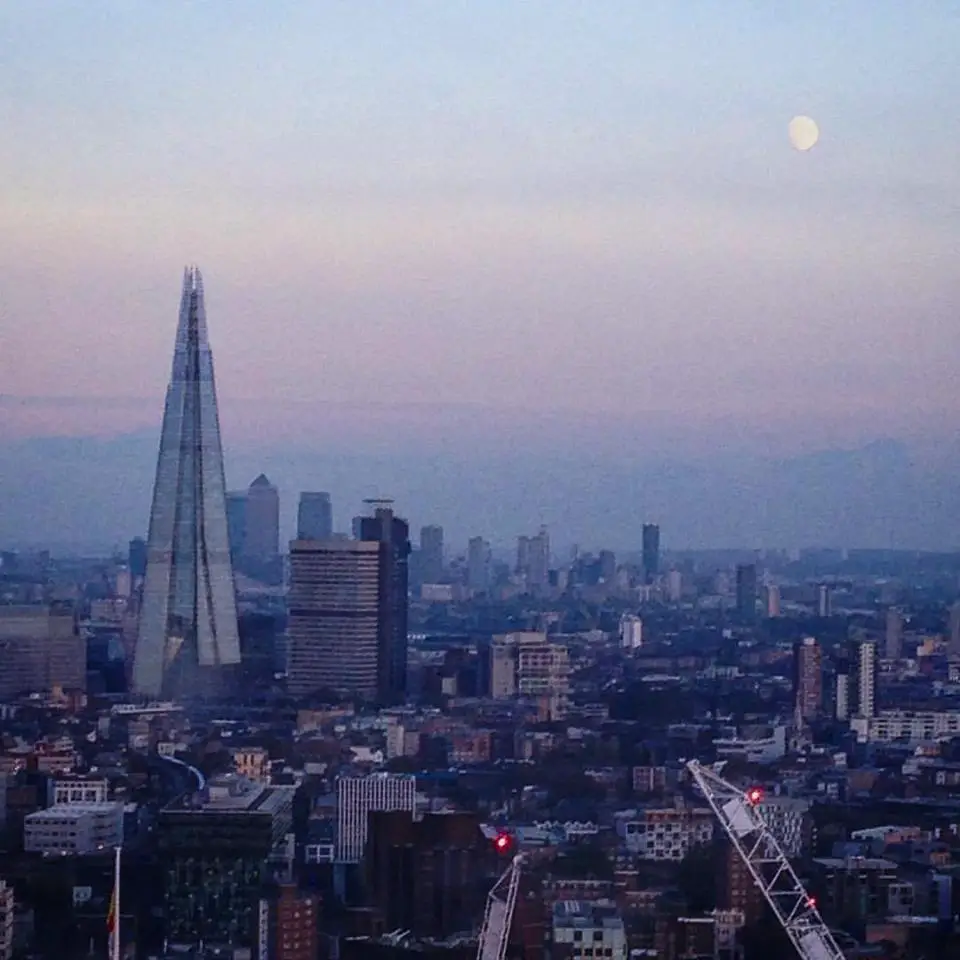
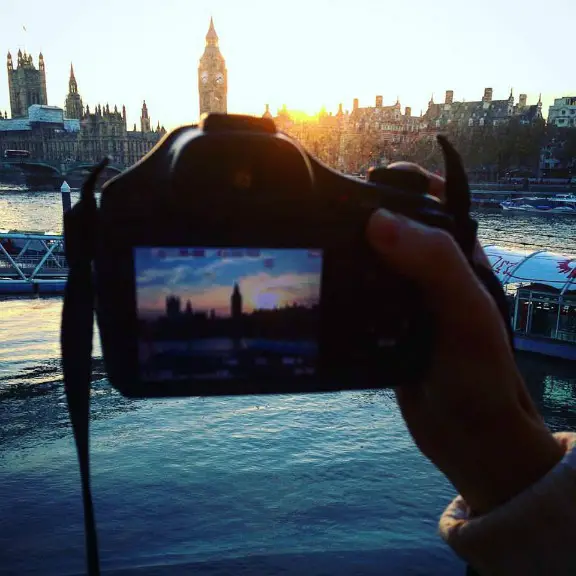
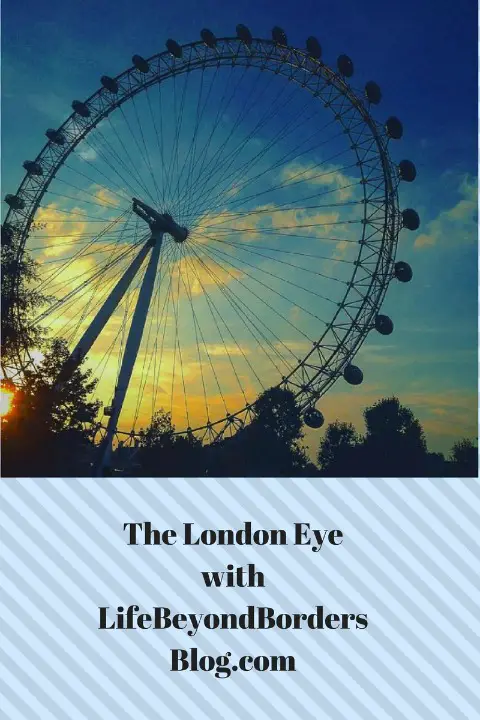
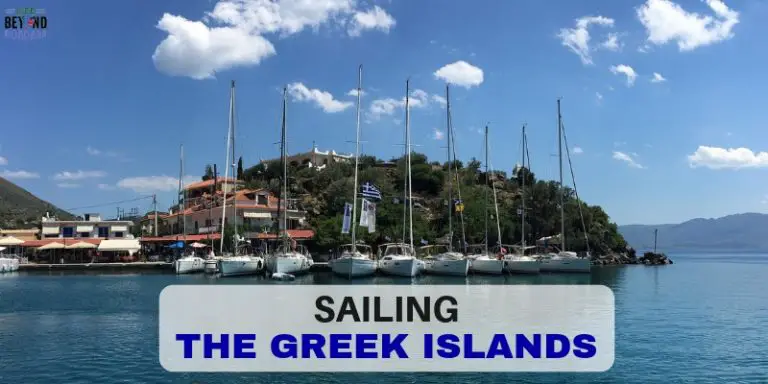
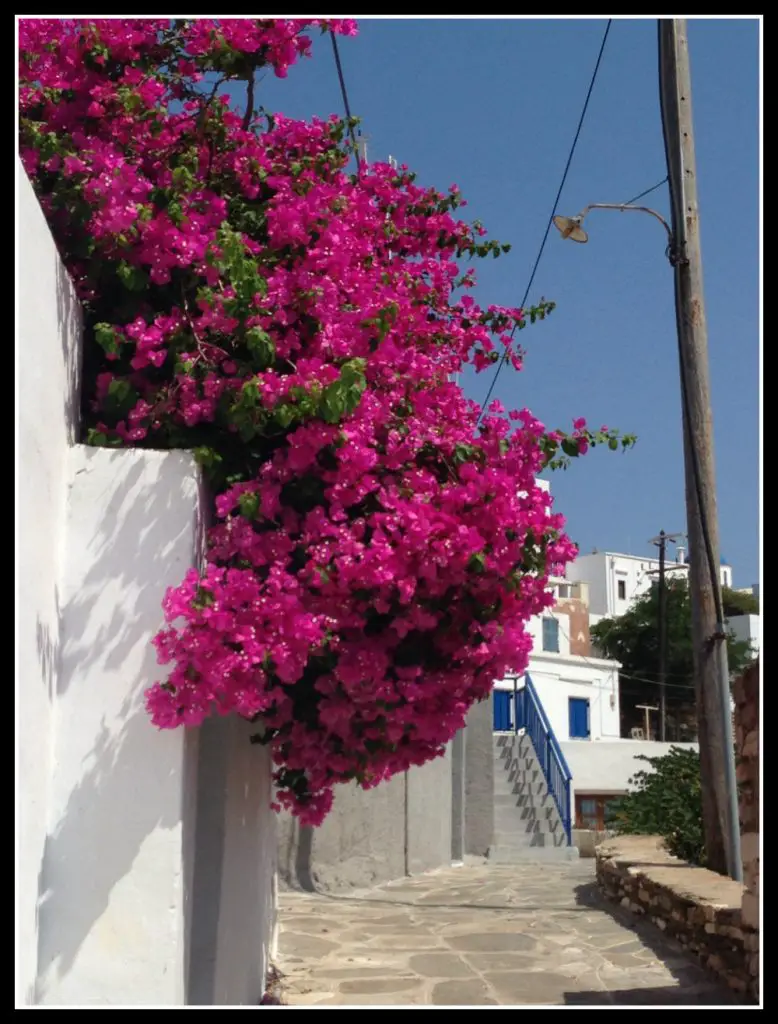
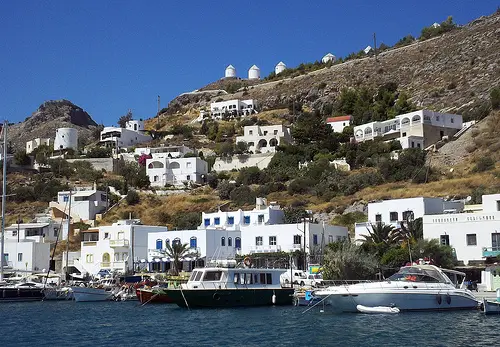

 I love that you’ve read all the books! Asktakos is visually inspired by the local village of Agios Nikolaos with shops, kafenions and tavernas based around the harbor, and the beach on the outskirts of the village – but as if it were in a more bygone era when donkeys and goats roamed the streets. The older characters in the book would have been around in the days before electricity, inside bathrooms, proper roads and all the other new-fangled modern conveniences arrived in the village. There are influences from other Mani villages too and their resident colourful characters.
 Many of the crazy things that happen in the books were inspired by actual events. One of my favourite moments was watching an ancient old man who could barely stand up unassisted drive his car into the back of another vehicle and then calmly start eating his tinfoil wrapped sandwiches, demanding someone bring a brandy to the now dented car to steady his nerves as the whole village erupted into yelling around him. I used that incident for Nitsa in the taxi. As far as I know, the fish van has only ended up in the sea once, but the Thomas character lost his van to the sea twice.